
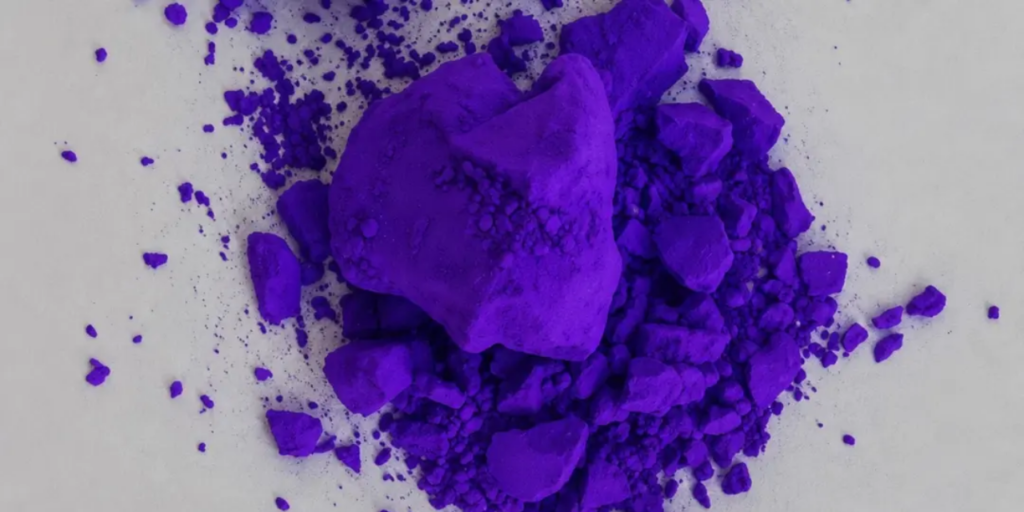
An international research team has developed a purple cooling fabric capable of reflecting nearly 88% of incoming solar radiation while significantly reducing temperatures at the fabric–skin interface. The innovation could help expand passive-cooling textiles beyond conventional white fabrics, offering a combination of colour, comfort, water repellency and thermal management.
Developed by researchers from Zhengzhou University in China and the University of Adelaide in Australia, the textile demonstrated an average solar reflectance of 87.6% and emitted 96.4% of mid-infrared radiation, enabling absorbed heat to escape through the atmosphere.
Outdoor testing showed that the advanced purple fabric remained up to 6.2°C cooler than conventional purple cotton. The researchers believe the technology could eventually support cooling apparel for outdoor workers, athletes and consumers living in increasingly hot climates.


Combining Colour With Passive Cooling
Conventional passive-cooling textiles are frequently designed in white or other light colours because these surfaces reflect a greater proportion of solar radiation. Darker and highly saturated colours generally absorb more solar energy, making thermal management more challenging.
Purple is particularly difficult to engineer for cooling because producing the colour requires absorption of green wavelengths, which fall within a significant portion of the solar spectrum.
The researchers addressed this challenge by developing microscopic fibres incorporating a purple metal-organic framework (MOF) and zinc oxide nanoparticles. This combination provides the visual characteristics of purple fabric while simultaneously creating optical properties designed to reflect sunlight and release thermal energy.
High Solar Reflectance and Infrared Emission
Laboratory and outdoor tests demonstrated the fabric’s ability to manage both incoming solar energy and outgoing heat.
The material achieved:
- 87.6% average solar reflectance
- 96.4% mid-infrared emissivity
- Up to 6.2°C lower temperature than commercially dyed purple cotton
- Up to 4.2°C lower temperature than commercial white cotton during direct sunlight testing
The results demonstrate the potential of simultaneously controlling solar reflection and infrared radiation to achieve passive cooling without electricity.
Jun Ma, materials engineering professor at the University of Adelaide and co-author of the research, said the objective was to demonstrate that cooling performance does not necessarily have to come at the expense of colour and appearance.
Fabric Keeps Simulated Skin Significantly Cooler
The thermal performance became even more pronounced when researchers tested the material using simulated skin.
During daytime conditions, simulated skin covered with the new textile was up to 8°C cooler than uncovered simulated skin.
For comparison, white cotton achieved a maximum temperature reduction of approximately 4.6°C, while conventional purple cotton produced a reduction of only about 2.8°C.
These results highlight the potential of the technology for clothing designed specifically for hot outdoor environments, where reducing heat accumulation between the body and garment could improve thermal comfort.
Lightweight, Flexible and Water-Repellent
Beyond its thermal performance, the fabric demonstrated characteristics important for wearable applications.
According to the researchers, the material is lightweight and flexible, can withstand significant stretching and allows water vapour generated by perspiration to pass through. At the same time, it exhibits strong water-repellent properties.
Durability testing also produced encouraging results. The cooling performance remained effective after 50 washing cycles, suggesting potential for repeated use in apparel and other textile applications.
The material also demonstrated strong resistance to ultraviolet radiation. Following accelerated UV-aging tests corresponding to approximately 108 days of outdoor exposure, the textile retained its optical performance.
Cooling Without Electricity
One of the most significant aspects of the development is its reliance on passive radiative cooling rather than electrical energy.
Instead of using powered cooling systems, the textile is engineered to reflect a large proportion of solar radiation while emitting thermal radiation in the mid-infrared range. This enables heat to be released from the textile toward the atmosphere and ultimately into space.
For outdoor workers, athletes and people exposed to prolonged heat, such technology could provide an additional method of managing body temperature without increasing energy consumption.
Yangzhe Hou, a PhD candidate at the University of Adelaide and co-author of the study, highlighted the potential of such materials for people who spend extended periods outdoors.
Potential Applications Across Technical Textiles
The development could have applications extending beyond conventional fashion apparel.
Potential areas include:
Outdoor and workwear: Cooling garments could help improve thermal comfort for workers exposed to high temperatures.
Sportswear: Passive cooling could support athletes during outdoor activities without adding electronic components or batteries.
Protective textiles: The combination of thermal management, UV resistance and water repellency could be explored for specialised outdoor protective clothing.
Smart and functional textiles: The technology demonstrates how engineered fibre structures can provide multiple functions while retaining an aesthetically desirable appearance.
Climate-adaptive apparel: Coloured radiative-cooling textiles could contribute to clothing designed for hotter urban and outdoor environments.
Towards the Next Generation of Cooling Textiles
The research points towards a broader shift in passive-cooling textile development. Rather than relying primarily on white surfaces, future fabrics could use advanced materials and engineered optical structures to achieve high solar reflectance while maintaining a wider range of colours.
The combination of nanomaterials, MOFs, radiative cooling and fibre engineering could therefore open new possibilities for functional textiles that address both aesthetic and environmental requirements.
The researchers acknowledge that further development will be required before the material can be widely commercialised. However, its demonstrated cooling performance, flexibility, wash durability and water repellency indicate significant potential.
As global temperatures continue to rise, the ability to produce textiles that actively manage heat without consuming electricity could become increasingly important. The development of coloured passive-cooling fabrics represents one potential pathway towards more comfortable and energy-efficient clothing.