Market Summary:-
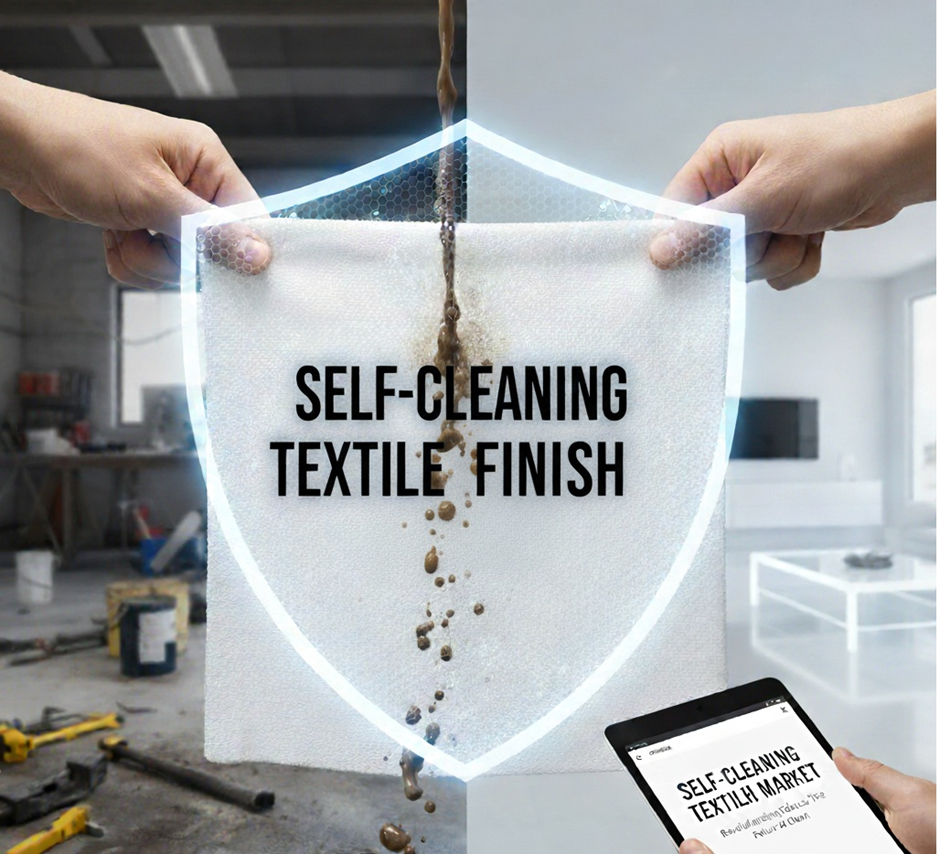
According to Research intelo, the Global Self-Cleaning Textile Finish market size was valued at $1.28 billion in 2024 and is projected to reach $3.41 billion by 2033, expanding at a robust CAGR of 11.5% during the forecast period of 2024–2033. The market’s accelerated growth is primarily driven by the rising consumer demand for low-maintenance, durable, and hygienic textile solutions across residential, commercial, and healthcare sectors. As urban lifestyles become increasingly fast-paced and hygiene-centric, self-cleaning textile finishes are gaining traction for their ability to reduce laundering frequency, enhance fabric longevity, and provide antimicrobial protection. This shift is further supported by ongoing technological advancements in nanotechnology and surface treatments, which have significantly improved the efficacy and affordability of self-cleaning textile finishes, making them accessible to a broader market segment worldwide.
1. What Exactly Are Self-Cleaning Textile Finishes?
Self-cleaning textile finishes are advanced coatings applied to fabrics to help repel dirt, stains, odours, and even harmful microbes. These finishes mimic natural processes (like the lotus leaf effect) or use nanotechnology to ensure textiles stay cleaner for longer with minimal maintenance.
Two Main Mechanisms at Work
- Hydrophobic Finish: Repels liquid and prevents stains from penetrating.
- Photocatalytic Finish: Breaks down organic dirt when exposed to light.
In home textiles, these technologies are being woven into everything from upholstery to bath towels, turning everyday items into smarter, more resilient essentials.
2. Why the Home Textile Industry Is Embracing Self-Cleaning Finishes
The rising demand isn’t just a trend; it’s a practical response to changing lifestyles.
• The Modern Homeowner Wants Convenience
Today’s households are busier than ever. Self-cleaning textiles eliminate the frequent need for washing, saving time, energy, and effort.
• Hygiene Has Become a Priority
Especially post-pandemic, homeowners prioritise textiles that stay clean, odour-free, and germ-resistant.
• Sustainability Is in Demand
Less washing means lower water consumption and reduced detergent pollution. Eco-conscious consumers are turning to smart textiles that support a greener lifestyle.
• Longer Fabric Life
Self-cleaning finishes protect textiles from premature wear, fading, and staining, making home décor investments last longer.
3. Where Self-Cleaning Textiles Are Making Their Biggest Impact at Home
Let’s take a tour around the house to see where this technology is taking over.
Living Room:
- Upholstered furniture that resists coffee spills.
- Curtains that remain dust-free for months.
- Cushions that stay fresh and crisp despite constant use.
Bedroom:
- Bedsheets and pillowcases that wick away oils and resist sweat odours.
- Comforters that clean themselves with sunlight exposure.
Bathroom:
- Towels that dry faster and resist mildew.
- Bathmats that prevent bacterial growth.
Kitchen:
- Table linens that repel sauces and grease.
- Chair cushions that withstand daily splashes and accidents.
Outdoor Spaces:
- Outdoor cushions and umbrellas that repel rain and dirt with ease.
4. Market Momentum: What’s Fueling the Growth?
The global market for self-cleaning textile finishes is gaining speed thanks to several powerful forces:
• The Nanotechnology Boom
Nanocoatings are becoming more cost-effective, making advanced fabrics accessible to average households.
• Growth of Smart Homes
As homes get smarter, homeowners expect smart textiles that complement their modern lifestyle.
• Expanding E-Commerce
Consumers now discover next-generation fabrics online, expanding demand and awareness globally.
• Interior Design Trends
Minimalism and clean interiors naturally align with low-maintenance, high-performance textiles.
5. Future Innovations: What’s Next for Self-Cleaning Home Textiles?
The market is not slowing down. Here’s what’s coming:
Hybrid Finishes
Fabrics that combine self-cleaning with cooling, heating, or moisture-regulating technologies.
Eco-Friendly Coatings
Biodegradable and plant-based self-cleaning formulations are on the rise.
AI-Enhanced Smart Textiles
Imagine fabrics that detect spills and respond accordingly or textiles that monitor air quality.
More Color-Safe and Soft Options
Next-gen finishes will preserve the natural softness and vibrancy of fabrics while increasing durability.
6. Why This Market Matters to Consumers and Brands Alike
The self-cleaning textile finish market is not just about convenience; it’s a revolution in how we perceive home comfort and cleanliness.
For Consumers:
- Saves time
- Reduces laundry
- Promotes a healthier environment
- Enhances home aesthetics
For Brands & Manufacturers:
- A high-value product differentiation
- Rising profit margins
- Growing customer loyalty
- A forward-thinking brand identity
7. Competitive Landscape
- The Dow Chemical Company
- Nanotex LLC
- Ahlstrom-Munksjö
- HeiQ Materials AG
- P2i Ltd.
- Glen Raven, Inc.
- Schoeller Textil AG
- BASF SE
- Huntsman Corporation
- Archroma
- Rudolf Group
- Akzo Nobel N.V.
- Evonik Industries AG
- Clariant AG
- Toyo Textile Co., Ltd.
- Balavigna Weaving Mills Pvt. Ltd.
- Cotton Incorporated
- Shandong Sinocera Functional Material Co., Ltd.
- Noble Biomaterials, Inc.
Final Thoughts: A Cleaner Home, Effortlessly
According to Research intelo, Self-cleaning textile finishes are no longer futuristic concepts they are becoming mainstream essentials in the home textile industry. As consumers look for smarter, cleaner, and more sustainable living solutions, the demand for these innovative fabrics will continue to surge.
In the world of home textiles, cleanliness is no longer a chore; it’s built into the fabric itself.