
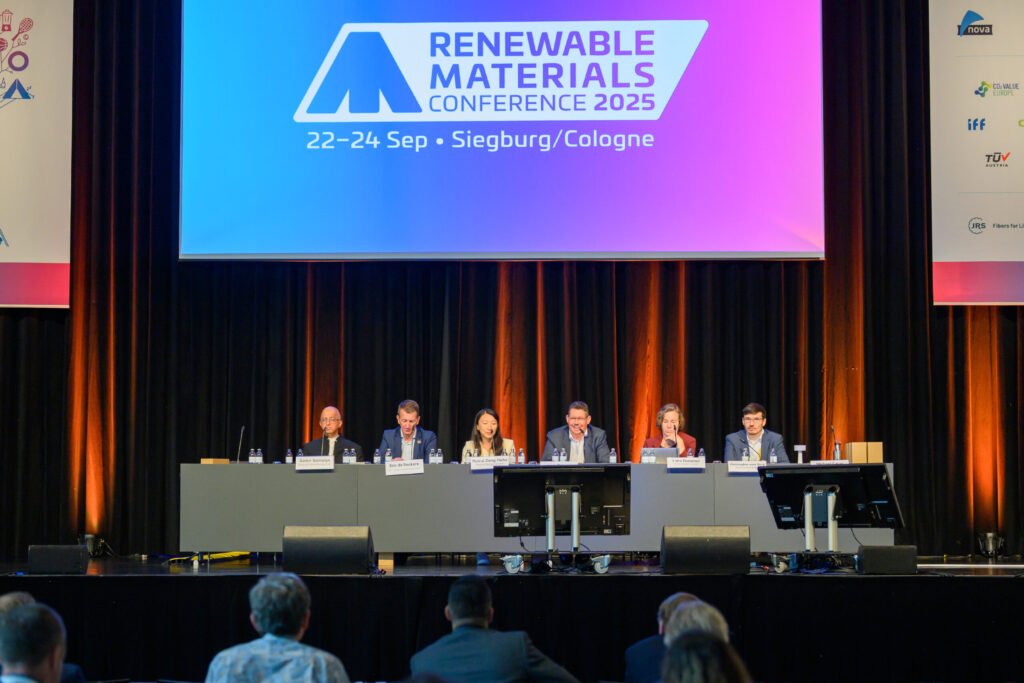
The nova-Institute has announced that registrations, exhibition slots, workshop bookings, and submissions for abstracts and innovations are now open for the Renewable Materials Conference (RMC) 2026, scheduled for 22–24 September 2026 in Siegburg/Cologne, Germany.
The event has quickly grown into a significant global platform for companies, researchers, investors, and policymakers working toward a renewable carbon economy. Organisers expect 400–500 participants in 2026, similar to previous years.
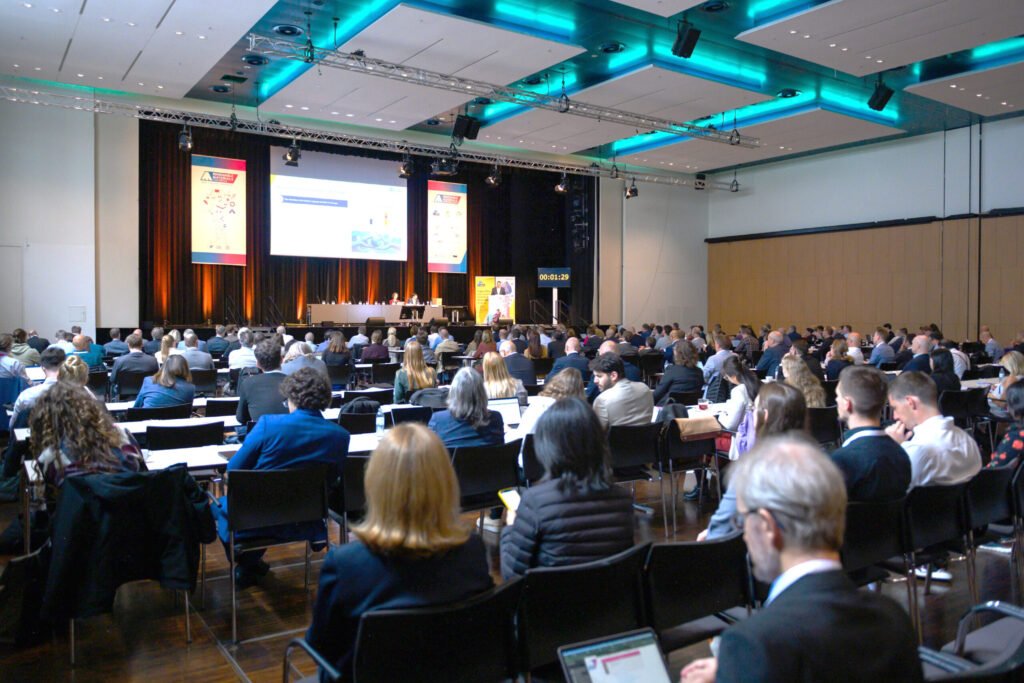
The conference focuses on defossilisation, driven by concerns that fossil resource extraction remains the biggest contributor to human-caused climate change, responsible for 90% of global greenhouse gas emissions. While the energy sector moves toward decarbonisation, debates continue over whether the chemical and plastics industries can achieve climate neutrality without phasing out fossil feedstocks. The RMC positions renewable carbon from biomass, CO₂, and recycling as the only viable long-term alternative.

The conference aims to address key industry questions, including how chemical producers can stay competitive during defossilisation, how to meet rising demand for fossil-free plastics, and how to build sustainable carbon cycles. Attendees will also explore the role of biodegradation in circular systems.
RMC 2026 will host expert talks, networking sessions, workshops, poster presentations, and a tabletop exhibition. Participants will also vote for the “Renewable Material of the Year 2026” award, sponsored by Covestro.
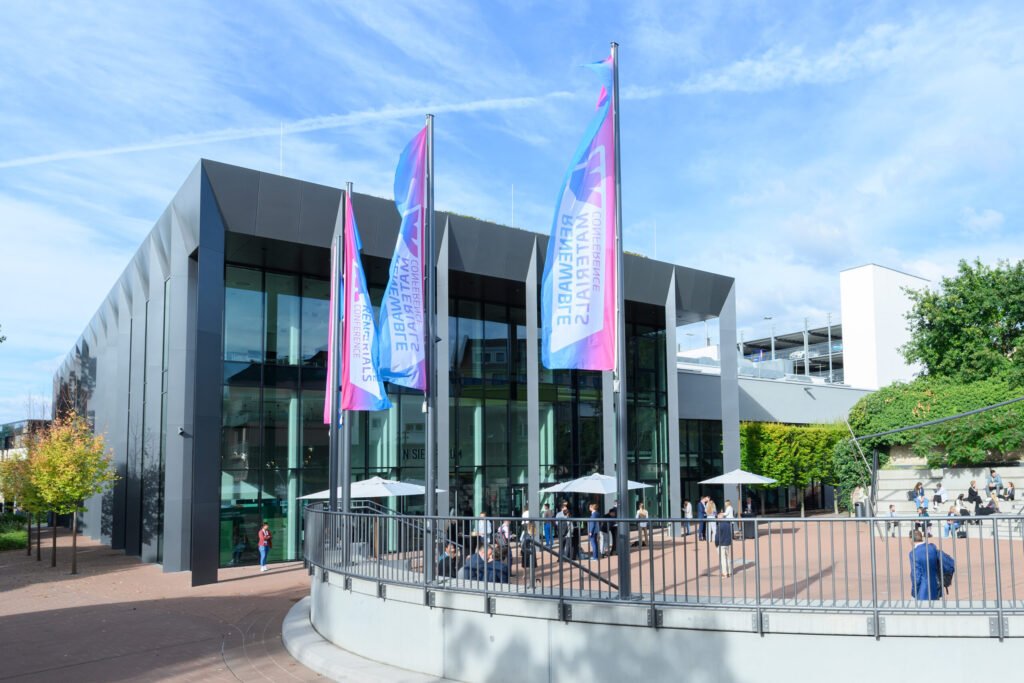
Conference Themes by Day
- 22 September – Defossilisation of the Chemical Industry: Focus on alternative naphtha, biorefineries, waste valorisation, chemical recycling, carbon capture and utilisation (CCU), and circular economy models. The day ends with a panel discussion on “Competitiveness and Strategic Autonomy.”
- 23 September – Fossil-Free Plastics: Highlights commercially available polymers derived from biomass, CO₂, and chemical recycling, relevant to sectors such as packaging, textiles, automotive, and consumer goods. The day concludes with the announcement of the Innovation Award winner.
- 24 September – Policy, Frameworks & Regenerative Models: Covers policy directions, market needs, business models, and developments in biodegradation and organic recycling systems.
The RMC continues to serve as an international hub for advancing renewable materials and accelerating industry-wide transition away from fossil carbon.