

Introduction
A) Brief Introduction of the Company
Ashapuri Gold Ornament Limited operates in India as a maker and distributor of gold jewellery. Focused on crafting designs by hand, it produces items like necklaces, bangles, rings, earrings. Sold through retail partners nationwide, its output targets store sellers rather than individual buyers. Industry activity places it within the country’s core jewellery supply chain.
Apart from crafting classic pieces, the firm creates modern gold jewellery, distributing collections to retailers nationwide. Known more for detail than size, its work stands out through range and skill in an arena crowded with repetition.
B) Industry Overview
Gold jewellery holds a central place in India’s market landscape worldwide. Because of traditions, celebrations often drive purchases. Yet design trends shift constantly. So makers adapt by crafting new patterns regularly. Festivals alongside marriage seasons sustain steady interest throughout the year.
Operating within the B2B segment of the jewellery market, firms such as Ashapuri craft decorative pieces destined for retail outlets. Though focused on wholesale networks, their output rarely reaches consumers directly. Instead, middlemen handle onward sales while manufacturers concentrate on production. Through steady partnerships with store chains, these suppliers maintain consistent distribution channels across regions.
C) Purpose of the Analysis
The purpose of this report is to evaluate the business operations and financial performance of Ashapuri Gold Ornament Limited. The analysis focuses on understanding the company’s revenue trends, financial stability, profitability and overall business outlook.
Company Overview
A) Background and History
Ashapuri Gold Ornament Limited began operations in 2008, based in Ahmedabad, Gujarat. Manufacturing gold jewellery takes up part of its work, while another portion focuses on wholesale distribution.
Year after year, the business built an extensive collection of jewellery designs, delivering items to stores throughout various regions of India. Its reach grew quietly, branching into multiple markets without fanfare. Designs evolved steadily, shaped by demand rather than trends. Each piece made its way to retailers who valued consistent quality. Across cities and towns, these offerings found space in local shops. Supply routes expanded naturally alongside growing inventory. No sudden leaps – just steady movement forward. From south to north, the distribution settled into place.
B) Business Model
The company mainly follows a manufacturing and wholesale distribution model.
Revenue is generated through:
- Manufacturing gold jewellery
- Wholesale distribution to jewellery retailers
- Supply of customized jewellery designs
The company also works with jewellery artisans and suppliers to produce different ornament collections.
C) Key Products / Services
Ashapuri creates different kinds of jewelry such as
- Necklaces
- Bangles
- Rings
- Earrings
- Pendants
- Bridal jewellery sets
A range of vintage, classic, or modern jewelry pieces is available through separate collections by the firm.
D) Market Position
Most of Ashapuri’s work happens behind the scenes, supplying finished pieces to stores instead of selling directly to buyers. Because its focus stays on bulk production, shops rely on the brand for consistent inventory. Strong detailing and diverse patterns keep traders returning season after season. Relationships grow naturally when quality meets dependable supply.
Promoter / Founder Introduction
A) Name of Promoter(s) / Founder(s)
Ashapuri Gold Ornament Limited was founded by jewellery entrepreneurs in Ahmedabad who were involved in jewellery manufacturing and trading activities.
B) Professional Background
With roots in India’s jewellery sector, the founders bring years of hands-on work in crafting, producing, and moving products to market. Because of their deep ties to age-old making techniques, the brand’s range took shape around authentic designs.
C) Role in Company Growth and Strategic Decisions
Expansion of the firm’s production capacity came through active involvement by the founders, who also broadened the variety of jewelry designs offered. Growth followed the choices they made about working with wholesalers and aligning with retail networks.
Financial Statement Analysis
A) Income statement analysis
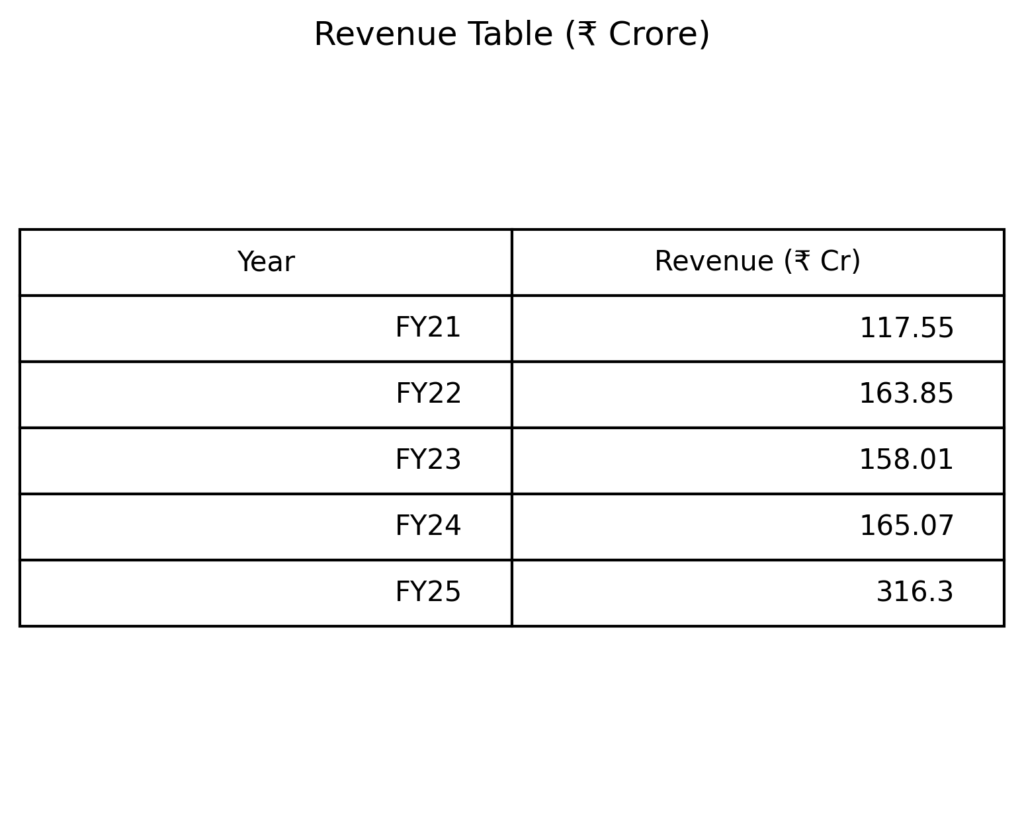
A sharp rise in earnings marks recent years, most notably during FY25 when figures hit ₹316.30 crore – evidence of growing market presence.
B) Balance sheet analysis
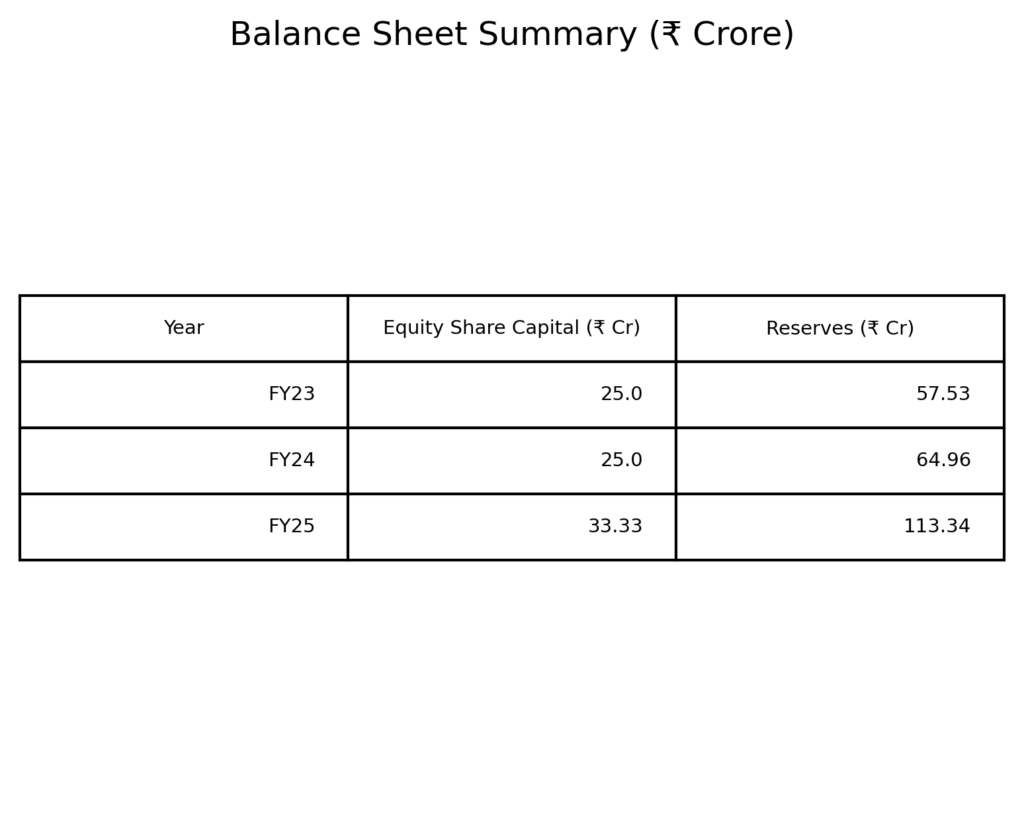
Equity Share Capital and Reserves Over Three Years
A closer look at the balance sheet reveals rising values in share capital alongside reserves, suggesting stronger equity positions through time. Growth here reflects greater confidence among shareholders while pointing toward a solid financial footing behind the numbers
Profit retention often points to plans for expansion down the line. A firm holding more reserves may be preparing for upcoming investment needs. Strength in savings can reflect confidence in later opportunities. Building up funds sometimes signals a focus on what comes next. Greater stored value might mean aims beyond immediate returns.
C) Cash Flow Statement analysis
Looking at cash flow reveals whether a business turns activities into actual cash. How well operations produce inflows becomes clear through this report.
Fiscal updates show shifts in operational cash arise when stock levels change alongside demands on short-term assets. Take FY25: though earnings rose, a heavier draw on liquid resources pushed cash flow below zero. A closer look implies the firm might need better control over its operating funds.
D) Key Financial Ratios
- Profitability Ratios: Fueled by rising sales, earnings climbed during the period. Still, results hinge heavily on how much people spend on jewelry – a pattern tied closely to fluctuations in gold’s market value.
- Liquidity Ratios: Not every firm handles cash the same way – jewellery stores often sit on large stockpiles of unsold items. Because of this buildup, their capacity to cover immediate debts may weaken over time.
- Leverage Ratios: A lower reliance on borrowing helps limit exposure to financial strain. This approach keeps obligations manageable during economic shifts.
- Efficiency Ratios: Gold sits heavily on balance sheets, so how quickly a jeweler sells it matters greatly. Moving pieces out fast frees up cash for new designs instead of letting bullion gather dust. When stock rotates swiftly, shops respond better to shifting tastes without overstocking outdated styles. Holding too much metal ties up money that could refresh displays or fund promotions. Turnover rates reveal whether inventory aligns with actual customer demand rather than hunches.
Year-on-Year Comparison Minimum Three Years
Looking at the numbers, income rose sharply from 2021 through 2025. A jump close to doubling happened in just one year – between 2024 and 2025 – pointing to faster selling activity. That rise could stem from more people wanting jewellery, or perhaps because products reached more places.
Key Insights And Interpretation
- Strengths
- Strong growth in revenue in recent years
- Wide jewellery design portfolio
- Established wholesale distribution network
- Weaknesses
- Dependence on gold price fluctuations
- Limited direct retail presence
- Risk Factors
- Gold price volatility
- Economic slowdown affecting jewellery demand
- Competition from large jewellery brands
- Future Outlook
The outlook for India’s jewellery sector shows steady expansion, driven by higher earnings and consistent demand during marriage seasons. Should Ashapuri refine its collection variety while broadening how products reach customers, gains in market standing appear likely.
Conclusion
Ultimately, Ashapuri Gold Ornament Limited functions primarily in jewellery production and bulk distribution across India. Despite steady competition, its footprint within the domestic market has widened noticeably. Revenue figures have climbed sharply over the past few years, reflecting stronger demand. Alongside financial gains, the range of designs introduced by the firm keeps broadening each season.
A closer look at finances shows solid gains in sales – yet handling day-to-day assets becomes critical, given how much stock ties up cash in fine jewellery operations. Despite upward trends, smooth cash flow depends heavily on smart inventory oversight across production cycles.
Still, Ashapuri Gold Ornament Limited shows a fair level of financial stability alongside possible room to grow, thanks to the rising demand in India’s jewellery sector.
References
- Ashapuri Gold Ornament Limited. (n.d.). Official website. Retrieved March 11, 2026, from https://ashapurigold.com/
- Moneycontrol. (n.d.). Ashapuri Gold Ornament Ltd. balance sheet and financial statements. Retrieved March 11, 2026, from https://www.moneycontrol.com/financials/ashapurigoldornament/balance-sheetVI/AGO
- Moneycontrol. (n.d.). Ashapuri Gold Ornament Ltd. profit and loss statement. Retrieved March 11, 2026, from https://www.moneycontrol.com/financials/ashapurigoldornament/profit-lossVI/AGO
- HDFC Securities. (n.d.). Ashapuri Gold Ornament Limited SME IPO overview. Retrieved March 11, 2026, from https://www.hdfcsec.com/ashapuri-gold-ornament-limited-sme-ipo
- Zauba Corp. (n.d.). Ashapuri Gold Ornament Limited company information. Retrieved March 11, 2026, from https://www.zaubacorp.com/ASHAPURI-GOLD-ORNAMENT-LIMITED-L36910GJ2008PLC054222
- Kuvera. (n.d.). Ashapuri Gold Ornament Ltd. company overview and products. Retrieved March 11, 2026, from https://kuvera.in/stocks/ashapuri-gold-ornament-ltd