
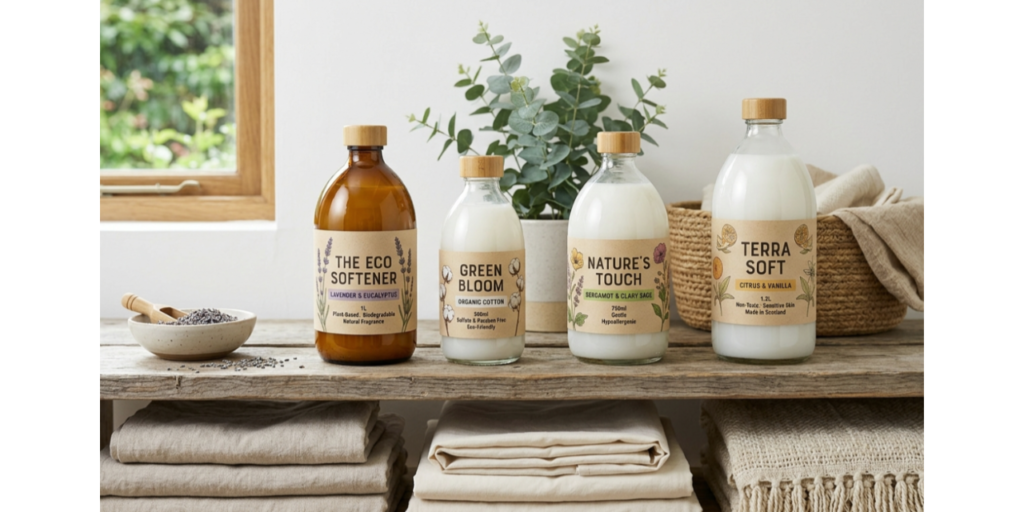
The global eco-friendly textile softeners market is witnessing strong growth, driven by increasing sustainability awareness and regulatory pressure. According to Growth Market Reports, the market was valued at USD 2.14 billion in 2024 and is projected to reach USD 4.23 billion by 2033, expanding at a CAGR of 8.2%. This upward trend is supported by rising consumer demand for environmentally responsible products, stricter regulations, and the textile industry’s shift toward sustainable and green chemistry practices. Innovations in biodegradable and plant-based softening agents are further accelerating adoption across both developed and emerging markets.
Eco-friendly textile softeners are becoming an important segment within the textile chemicals and home care industries. As environmental concerns grow worldwide, manufacturers are reformulating traditional products to align with eco-conscious standards. Textile softeners, typically used to enhance fabric softness and durability, are now being designed to minimize environmental impact while maintaining performance.
Key Growth Drivers
Increasing Consumer Awareness and Health Concerns
Consumers are becoming more conscious of the ingredients used in textile and home care products. Conventional softeners often contain synthetic chemicals and fragrances that may cause skin irritation or allergies. This has led to rising demand for plant-based, hypoallergenic alternatives. Additionally, concerns about environmental issues such as water pollution caused by harmful chemicals are encouraging the use of biodegradable solutions.
Strict Environmental Regulations
Governments and regulatory authorities are implementing stringent guidelines to limit the use of hazardous substances like phosphates and APEOs in textile processing. Certifications such as USDA Organic, ECOCERT, and COSMOS are also influencing manufacturers to develop safer and more sustainable formulations while building consumer trust.
Expansion of Sustainable Textile Practices
The growing focus on sustainable textiles is increasing demand for eco-friendly finishing agents, including softeners. Textile manufacturers are adopting greener production processes to reduce environmental impact, which in turn is boosting the use of sustainable auxiliaries.
Technological Innovations
Advancements in green chemistry and material science have enabled the development of new softening solutions, including enzyme-based, silicone-based, and probiotic formulations. These innovations offer improved performance while ensuring environmental safety.
Market Challenges
Despite its growth, the market faces certain limitations. Eco-friendly formulations often involve higher production costs due to expensive raw materials and advanced processing techniques, leading to higher product prices. Additionally, some natural softeners may not perform as effectively as synthetic alternatives in terms of durability and fragrance retention. In developing regions, limited consumer awareness and price sensitivity can also slow adoption. Furthermore, maintaining a consistent supply of high-quality natural raw materials remains a challenge for manufacturers.
Future Outlook
The outlook for the eco-friendly textile softeners market remains highly positive. As sustainability becomes a central focus across industries, demand for environmentally responsible textile finishing solutions is expected to rise steadily. Increased investment in research and development is likely to result in more efficient and cost-effective innovations.
Moreover, the integration of sustainability throughout the textile value chain—from raw material sourcing to finishing processes—will further strengthen the importance of eco-friendly softeners. Companies that emphasize innovation, transparency, and environmental responsibility are expected to gain a competitive advantage in the evolving market landscape.
Competitive Landscape
The market features several key players, including Procter & Gamble, Unilever, Henkel AG & Co. KGaA, The Clorox Company, Ecover, Seventh Generation, Method Products, Lion Corporation, Kao Corporation, S. C. Johnson & Son, Church & Dwight, Colgate-Palmolive, Attitude Living, and Dropps.