
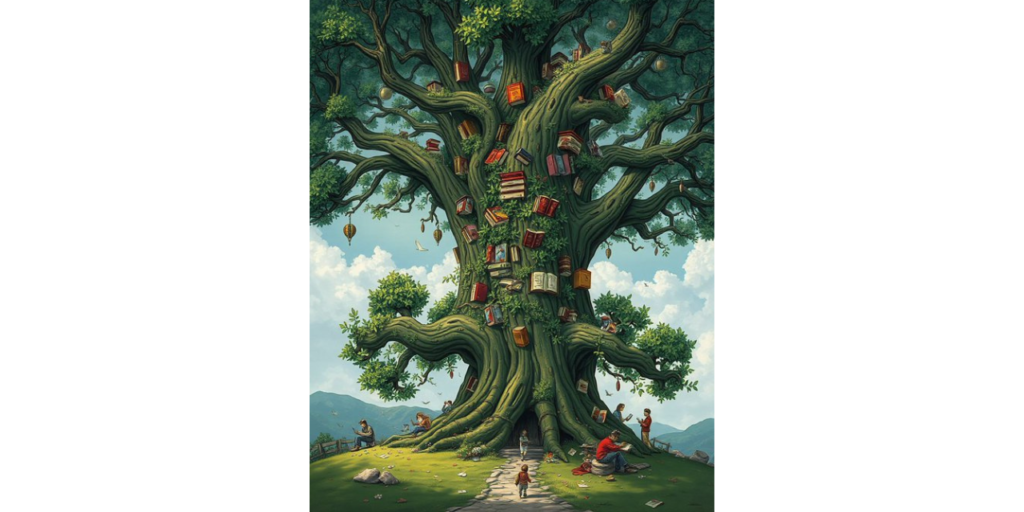
Books once lived behind tall walls and dusty doors. A trip to the library felt like a small ritual with silent halls and paper cards tucked into wooden drawers. That picture still holds charm yet the rhythm of learning has changed. Modern knowledge moves fast and people now carry whole collections in a pocket. The rise of e-libraries has turned reading into a living stream that flows day and night.
The New Shape of Learning
Knowledge systems once relied on shelves storage rooms and printed archives. Today the same role belongs to servers cloud networks and searchable catalogs. Information travels with the speed of rain on glass. In this setting Z-Library fits into daily life with quiet ease. Many readers move through huge collections without stress because users of Zlibrary seldom encounter difficulties finding what they need during long study sessions or casual reading hours.
This shift reaches far beyond convenience. Fully digital systems change how people remember facts collect ideas and build habits. Reading no longer waits for office hours or physical access. A student on a late train can open research notes within seconds. A worker during a lunch break may save articles for later. The process feels less like climbing a mountain and more like walking through an open gate.
Why Digital Collections Feel Natural
Paper books hold beauty and weight yet digital collections remove many small barriers. Search tools replace long hunts through shelves. Notes stay organized in one place. A reader may jump from history to science in minutes without carrying a heavy stack across town. The flow feels smooth almost like changing songs on an old radio.
Many people also enjoy the calm structure of an e-library. It offers order in a noisy world. The mind no longer wastes energy on small tasks tied to physical storage. More attention stays on ideas and reflection. That change matters because modern life already pulls focus in ten directions at once.
Several key habits explain why fully digital systems continue to grow:
-
Fast Access Builds Steady Reading Habits
Quick access changes behavior over time. A person who once delayed reading until the weekend may now open material during small gaps in the day. Ten quiet minutes at a station or in a café become useful moments instead of empty pauses. This pattern creates consistency. Reading becomes part of ordinary routine rather than a rare event saved for special hours.
-
Search Tools Reduce Mental Friction
Old libraries often required patience and luck. Digital systems shorten that process. Search bars tags and filters guide readers straight toward useful material. The mind stays focused on learning instead of wandering through endless aisles. That simple shift feels small at first yet it saves time every single day. Like a sharp kitchen knife it cuts effort cleanly and keeps work moving.
-
Storage No Longer Feels Like a Burden
Physical collections demand space care and constant sorting. Digital systems remove much of that pressure. Thousands of texts can rest inside one small device without turning a room into a maze of stacked paper. The change frees both space and attention. Many people now treat reading collections like music playlists that travel everywhere with ease.
That freedom has shaped a new culture around knowledge. People move through information with more confidence and less hesitation.
A Quiet Change That Keeps Growing
The move toward fully digital knowledge systems did not arrive with fireworks. It spread slowly like streetlights turning on at dusk. Step by step e-libraries became part of normal life. Z-Library reflects that steady movement through its simple access and broad structure.
Knowledge now feels less tied to place and more tied to curiosity itself. The walls around information have grown thinner. Reading continues to evolve yet the heart of it remains familiar. People still search for meaning stories and fresh ideas. The tools changed shape but the human drive behind them still burns like a lamp in a late night window.