
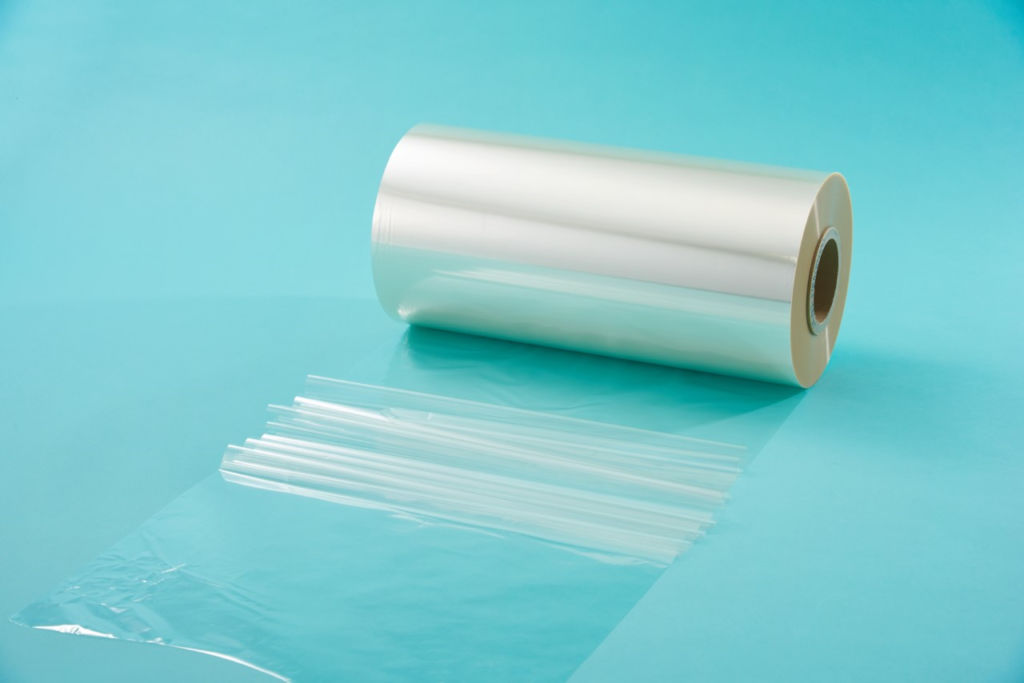
The report “Functional Films Market by Type (Conductive Films, Optical Films, Protective Films, Barrier Films, Adhesive Films), Material (Polyethylene), End-Use (Packaging, Electronics, Automotive), Substrate (Glass, Plastic) and Region – Global Forecast to 2030″, size is projected to grow from USD 30.5 billion in 2023 to USD 49.6 billion by 2030, registering a CAGR of 7.2% during the forecast period. The functional films market is poised for substantial growth, propelled by diverse opportunities across industries. The escalating demand for advanced packaging solutions in the food and beverage sector, driven by the need for extended shelf life and UV protection, is a significant factor. Additionally, the automotive industry’s increasing integration of films for applications like window tinting and anti-glare coatings, coupled with the rising prominence of renewable energy sources and the sustainability trend, is creating avenues for functional films in solar panels and eco-friendly solutions. The healthcare sector, with its emphasis on innovative medical devices and drug delivery systems, further contributes to the market’s expansion.
Browse
• 306 Market data Tables
• 51 Figures
• 274 Pages and in-depth TOC on “Functional Films Market – Global Forecast to 2030”
Some of the prominent key players are:
· Toray Industries Inc. (Japan)
· Eastman Chemical Company (US)
· Covestro AG (Germany)
· Honeywell International (US)
· 3M Company (US)
· Nitto Denko Corporation (Japan)
· Dupont Teijin Films US Limited (US)
· Mitsubishi Chemical Corporation (Japan)
· Toyobo Co., Ltd (Japan)
· Dai Nippon Printing Co., Ltd (Japan)
Driver: Growing demand for smart packaging solutions
Growing demand for smart packaging solutions might increase demand for functional films by up to 20% over the next five years. It is a prominent driver of the functional films market, notably in the food & beverage, pharmaceutical, and logistics industries. Functional films are increasingly being used to create smart packaging solutions that can effectively monitor and track the status of diverse products throughout transportation and storage. Because of their customized features, functional films play an important role in a wide range of smart packaging applications. These specialized materials are designed to have specific qualities such as barrier capabilities, conductivity, or antibacterial properties. Functional films play an important role in smart packaging applications such as time-temperature indicators (TTIs), radio-frequency identification (RFID) tags, and active packaging systems.
Based on substrates, Glass is projected to account for the second largest share of the Functional films market.
Because of its unique qualities, such as high surface smoothness, chemical stability, and optical clarity, glass is the fastest-growing substrate in the functional film industry. The increasing demand for smartphones and other mobile devices, the expanding popularity of touch displays, and the increasing acceptance of solar energy are all driving the expansion of the glass substrate market. Smartphones and other mobile devices are the biggest users of glass substrates, and demand for these devices is likely to rise in the future years. Touch screens are another key application for glass substrates, and their demand is likely to rise as they become more widely used in a variety of applications such as car displays and industrial control systems.
North America is expected to be the fastest growing market during the forecast period.
North America is the fastest-growing area in the functional films market due to numerous factors, including its strong economy, high disposable income, and advanced technical infrastructure. The region is home to a large number of renowned functional film manufacturers, including Dow Chemical Company, DuPont, and Eastman Chemical Company. These companies are heavily spending on research and development to generate new and innovative functional film products. The growing need for functional films in a variety of applications, such as packaging, electronics, and medical devices, is also driving the North American functional films market. The need for longer shelf life and greater protection for food goods is driving the demand for functional films in packaging.