
Dr. Anup RakshitITTA |
The agriculture sector in India contributes significantly to the employment and economic growth of the country. As per the Economic Survey of 2023-24, done by the GOI, the Agriculture sector contributes around 18.2% to Indian GDP, employs around 42.4% of the Indian population, and its performance directly impacts the national income, employment & food security. The average annual growth rate is 4.18% over the last 5 years, but with the implementation of more scientific cultivation technology and methodology by using Agrotextile products in an effective manner can further boost the growth of this sector. Dr Anup Rakshit, Advisor, ITTA, emphasised the above points while moderating the Session on “Smart Solutions for Agriculture: Protecting Crops and Increasing Productivity” in the Techtextil India Conference 2025, organised by the Indian Technical Textile Association (ITTA) and Messe Frankfurt.
Three eminent panellists in the session were: Shri. Sachin Kulkarni, General Manager – Quality Assurance, Garware Technical Fibres Ltd.; Shri Ravi Kumar, Deputy Director, SASMIRA; and Dr Mrinal Choudhary, Additional Director, Wool Research Association (WRA).

Shri. Sachin Kulkarni
Garware Technical Fibres
Shri. Ravi Kumar
SASMIRA

Dr. Mrinal Choudhary
WRA
Speaking from an industry perspective, Shri Sachin Kulkarni addressed key agricultural challenges such as fragmented landholding, climate-related risks, low productivity, and slow adoption of modern techniques. He explained how agrotextiles — such as shade nets, hail protection nets, and fruit harvesting nets—help farmers mitigate these challenges. Mr Kulkarni described the comprehensive process followed by manufacturers, including farmer feedback collection, multiple testing stages, product validation, pilot runs, and commercial launches. He shared successful implementation stories from regions such as Makhmalabad, Nanded, Latur, Sangli, and Sinnar in Maharashtra, as well as southern states like Tamil Nadu and Andhra Pradesh, and highlighted the rising demand for anti-hail nets in northern India. To expand reach and affordability, he noted that companies are introducing lower GSM materials that maintain quality while reducing cost for farmers.
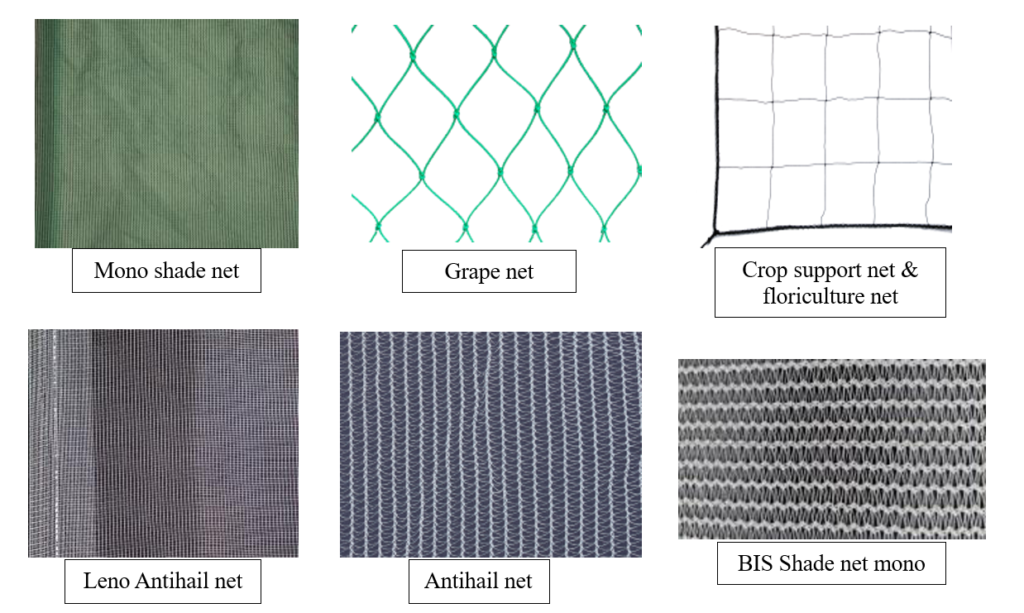
Addressing the broader agricultural ecosystem, Shri Ravi Kumar spoke about structural concerns such as disaster risks, groundwater depletion, and fundamental inefficiencies within the sector. He explained the importance of precision technology, strong policy support, transparent pricing systems, and better data-driven metrics for decision-making. With over 28 million hectares under horticulture, he emphasised the transformative potential of protected cultivation. He highlighted how IoT-enabled Agrotextile Smart Centres are optimising water use, fertiliser efficiency, crop quality, and product uniformity. He also stressed that education and awareness among farmers remain critical for large-scale adoption and shared that similar initiatives are being proposed in states like Bihar. On scalability, he explained that cost-sensitive models, community farming, and efficient administration can help overcome initial investment barriers associated with agrotextile solutions.
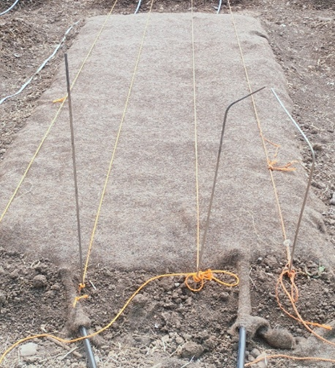
100% coarse wool mulch mats
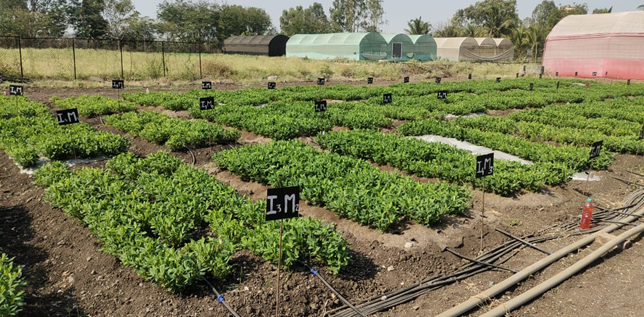
Providing a sustainability-based perspective, Dr Mrinal Choudhary discussed the ecological and agronomic advantages of using wool in agriculture. Drawing from extensive field trials conducted with two agricultural universities, he reported improvements in soil fertility, moisture retention, microbial activity, and overall crop performance. He described outreach activities in remote regions of Maharashtra, where wool growers were introduced to new opportunities through value addition. The research team performed in-depth analyses of soil, temperature, moisture, microbial growth, and plant development, presenting their findings in university-level conferences. With ongoing trials, the team aims to approach the government once all performance parameters are validated. To streamline wool sourcing and bring growers together, WRA even collaborated with students to develop a mobile application to connect farmers digitally. 100% coarse wool mulch mats are used, and the pricing is dynamic; it depends on the requirements of the user or the manufacturer.
During the interactive panel discussion, the panellists discussed ways to enhance farmer reach and accelerate market penetration. Mr Kulkarni emphasised the importance of region-wise teams and farmer-centric product development. Mr Ravi Kumar highlighted the significance of selecting appropriate seed varieties suited for protected environments and the need for structured guidance systems. Dr Choudhary reiterated that grassroots engagement and awareness building play a key role in adopting new agricultural inputs such as wool-based soil enhancers.
The discussion also touched upon the impact of Quality Control Orders (QCOs) on the Agrotextile industry. Mr Kulkarni noted that QCOs have greatly improved product standardisation and strengthened user trust. Previously, farmers often sought custom products based on subjective needs; QCOs now ensure that materials meet uniform standards. He also pointed out that some government tenders do not align with BIS standards, creating gaps that need to be addressed. Mr Ravi Kumar added that the industry is positively welcoming the QCO regime, and since this is the first series of QCOs, the government is actively gathering feedback from stakeholders to build confidence and streamline implementation.
In his closing remarks, Dr Anup Rakshit stated that the panel discussion provided valuable insights into the technological, economic, and environmental aspects of Agrotextiles. He expressed confidence that the knowledge shared during the session will help stakeholders enhance their expertise and contribute to the growth and future development of the Agrotech sector.