
The automotive textiles sector is experiencing rapid transformation as sustainability demands, regulations, and the rise of electric vehicles (EVs) reshape sourcing, production, and performance expectations. While traditional fabrics remain essential, manufacturers are increasingly innovating with lightweight, insulating, and environmentally responsible materials.
Needlepunch nonwovens, commonly used in vehicle trunks as lightweight alternatives to tufted fabrics, continue to be a core product for Delaware Valley Corporation (DVC), which serves both automotive upholstery shops and small-volume vehicle programs. According to Nash Saadah, President of Sales and Product Development at DVC in Tewksbury, Massachusetts, the automotive market is “constantly evolving.” Regardless of whether vehicles are human-driven or autonomous, he notes, “there will always be a demand for cars, for transportation.”
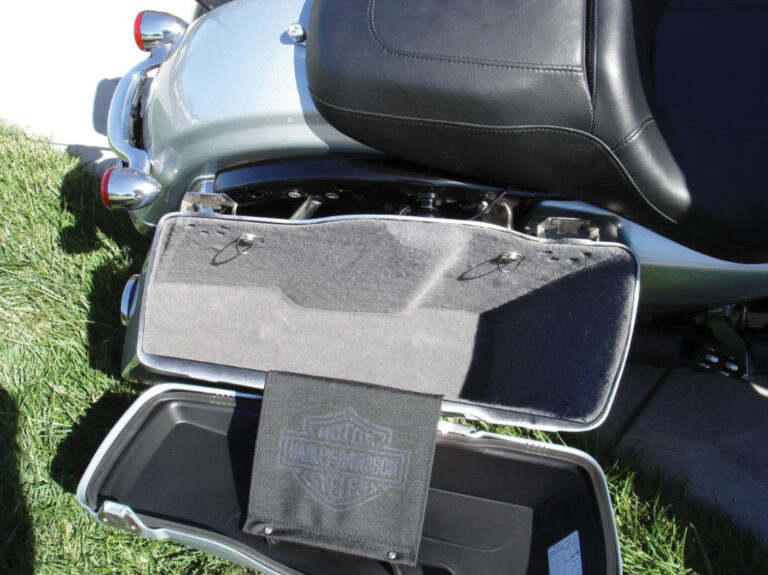
Textile components used in vehicles—such as seating, carpets, and acoustic insulation—must meet strict performance criteria, including chemical resistance, flame resistance, durability, comfort, and visual appeal.
Shawmut Corporation, a leading developer of advanced fabrics headquartered in West Bridgewater, Massachusetts, emphasizes that automotive materials must withstand long-term stress and environmental exposure. Vice President of Design and Development, Mollie Engel, explains that interiors must “age gracefully,” maintaining color, texture, and structural integrity after years of UV exposure, temperature shifts, and repeated usage. In luxury automotive programs, even small inconsistencies can lead to materials being rejected.
Shawmut is focused on sustainable, scalable textiles that meet performance needs while supporting environmental goals. Monomaterials and recycled-content fabrics—such as the company’s Neoluxe™ Premium Knit Suede—are gaining traction for their soft feel, low weight, durability, and reduced environmental footprint. Engel highlights growing demand for authenticity and transparency: “More brands want to tell meaningful stories about the materials they use, and they’re turning to suppliers like Shawmut to help bring that narrative to life.”
Upcycled and bio-based materials are attracting interest across markets. While the EU leads adoption due to regulatory pressure, U.S. demand is rising. Engel notes increased scrutiny of “greenwashing,” with OEMs requesting stronger traceability, third-party verification, and full life-cycle analyses. She adds that for large-scale automotive production, new materials must remain cost-effective, robust, and scalable.
Market shifts and regulation
DVC, a family-owned business spanning multiple generations, focuses on specialization rather than high-volume manufacturing. Their automotive customers include smaller programs and niche models like the Chevy Bolt. Saadah notes that over the past decade, the company shifted from dyed polypropylene to recycled polyester (rPET) to serve automakers such as Ford, GM, and Stellantis. Recycled polyester has provided greater supply stability and resilience against market fluctuations.
Environmental regulations—such as REACH in the EU and California’s chemical standards—continue to influence sourcing decisions, but DVC has found ways to maintain compliance while producing sustainable materials. Saadah emphasizes that diversification across markets—including medical, industrial, and construction—helps the company remain flexible during automotive industry swings. “Our survival relies on diversity: product diversity and market diversity,” he says.
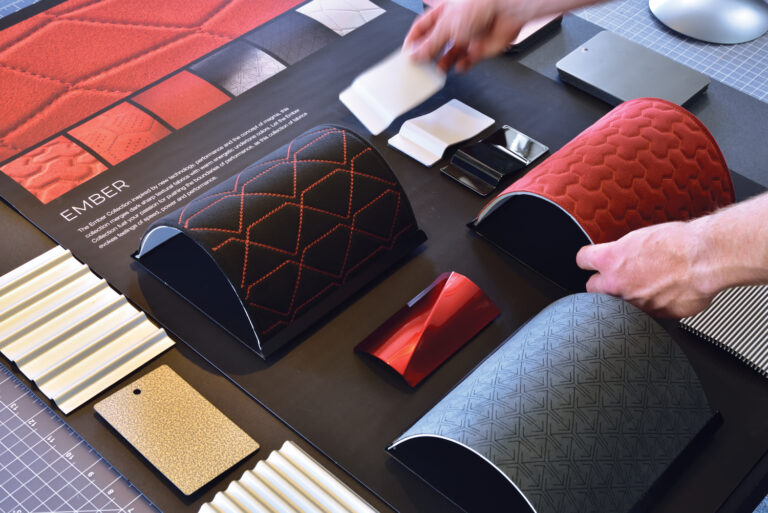
Shawmut’s Engel explains that one of the biggest challenges is scaling sustainable materials for high-volume automotive applications. Beyond environmental benefits, materials still need to meet strict requirements such as UV resistance, abrasion tolerance, odor and VOC standards, and long-term durability. Shawmut has strengthened its global supply chain to respond to disruptions and invested in vertical integration—spanning knitting, lamination, and finishing—to enhance control over quality, cost, and timelines.

EVs accelerate demand for new textiles
Saadah predicts that electric vehicles will dominate the market within 10–15 years as battery performance increases and production costs decline. EVs are creating demand for textiles with lightweight structures, improved thermal efficiency, and enhanced sound absorption.
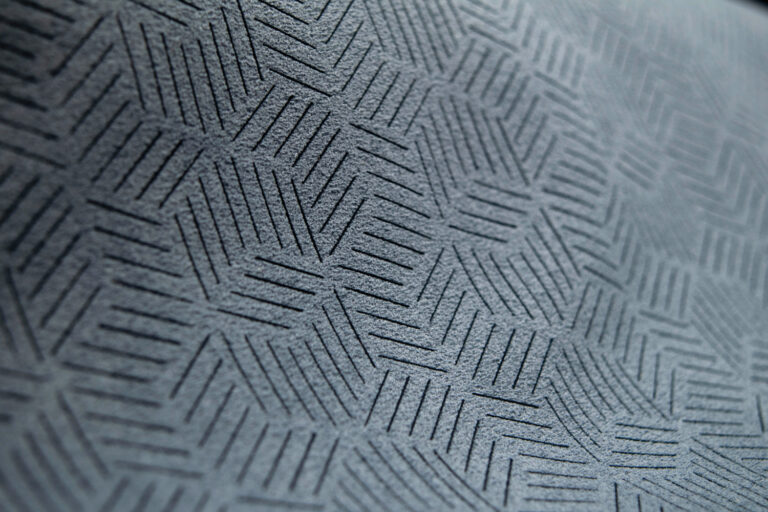
Because EVs lack combustion engines, the cabin becomes quieter—making ambient noises more noticeable. Batteries also require tightly controlled temperatures. This creates new opportunities for textile insulation, acoustic materials, and engineered composites. EVs are heavier than conventional vehicles, making lightweight materials even more valuable.
DVC is investigating hollow-core fibers, often made from sustainable or recycled sources, to improve insulation and reduce weight—two key factors in increasing EV range.
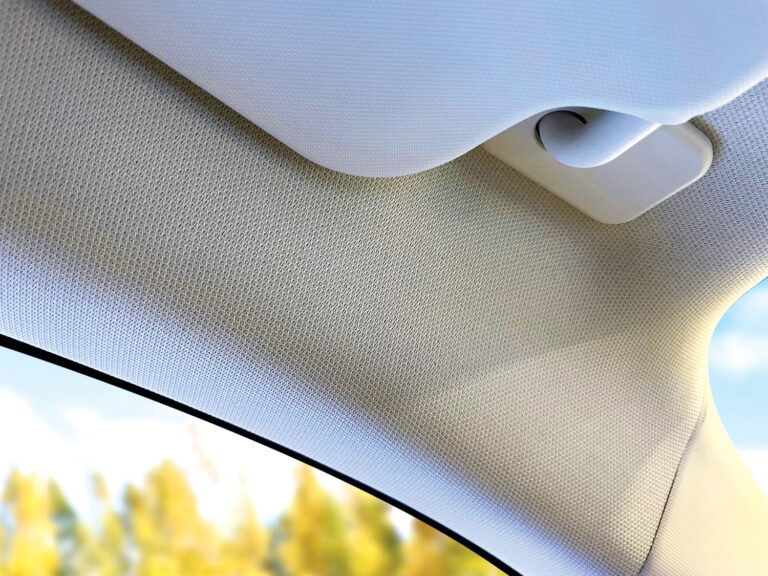
Shawmut is also collaborating with automakers on next-generation EV interiors that emphasize sustainability, comfort, and brand identity. Products like Terra™ warp knit headliner fabric, made from recycled water bottles, are already being integrated into vehicles.
Technology and future growth
DVC is modernizing its operations to meet the demands of emerging textile technologies. The company is exploring AI tools and advanced manufacturing systems, including textiles embedded with sensors that could one day monitor driver alertness, temperature, and other vehicle functions.
Saadah acknowledges that adapting legacy processes to modern expectations is challenging but insists the company is optimistic: “Everybody is integrating existing processes and equipment with the new world and new technologies… It will be a challenge—but I think we can meet that challenge.”