

technotrans has unveiled its new FuzzyControl controller, an intelligent, self-optimising temperature control system designed to improve stability and efficiency in injection-moulding processes. The technology aims to address the limitations of conventional PID controllers, especially under complex processing conditions.
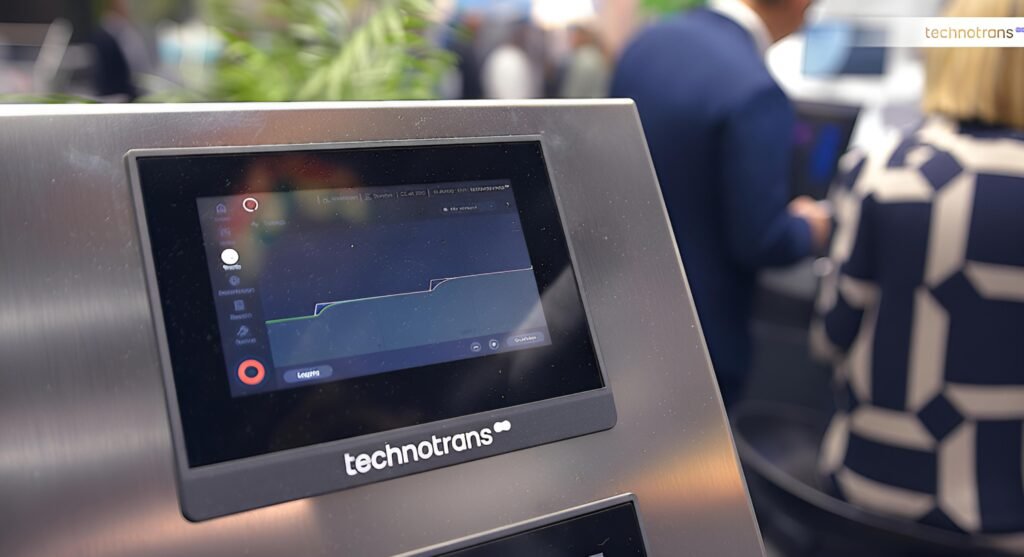
Unlike conventional PID controllers, FuzzyControl reacts dynamically to changing process conditions and adapts accordingly.
A Shift from Conventional PID Control
While standard PID controllers perform well in routine applications, they often struggle when exposed to fluctuating parameters, long hose lines, narrow tool cross-sections, or other challenging conditions. These variations can lead to unstable mould temperatures, increased scrap, and higher material usage.
FuzzyControl uses fuzzy logic, a method inspired by human reasoning, to continuously analyse the control loop and adjust its parameters in real time. This allows the system to maintain the target mould temperature accurately without manual intervention.
Key Outcomes
According to technotrans, the new controller offers several operational benefits:
- More stable temperatures
- Reduced scrap rates
- Shorter response times
- Lower energy consumption
- No manual readjustment required
The system is designed to prevent the temperature overshoot typically associated with PID controllers, helping reduce operating costs while improving overall equipment effectiveness.
Industry Relevance
Accurate temperature control is essential for product quality and process efficiency in injection moulding. Nicolai Küls, Managing Director of technotrans solutions GmbH, stated that FuzzyControl is tailored to meet these industry needs, enhancing both economic performance and sustainability.
The automated parameter adjustment also reduces labour requirements and supports resource conservation by minimising production scrap. The company emphasises that the controller remains user-friendly, requiring no expert configuration.
With FuzzyControl, technotrans aims to set a new standard for process stability in plastics processing, offering manufacturers a more reliable and energy-efficient alternative to conventional control methods.