The Ministry of Textiles has reinforced its commitment to building a robust innovation ecosystem by allocating ₹256 crore under the National Technical Textiles Mission (NTTM) for FY 2026-27, including dedicated funding for start-ups under the Grant for Research and Entrepreneurship across Aspiring Innovators in Technical Textiles (GREAT) scheme.
The initiative aims to support young innovators, scientists, technologists, researchers, and start-up ventures in transforming research-driven ideas into commercially viable technologies and value-added technical textile products.
According to information shared by Minister of State for Textiles Shri Pabitra Margherita in a written reply in the Lok Sabha, 31 start-up projects have been approved under the GREAT scheme, with a total project cost of ₹15.40 crore, including a Government of India contribution of ₹13.65 crore.
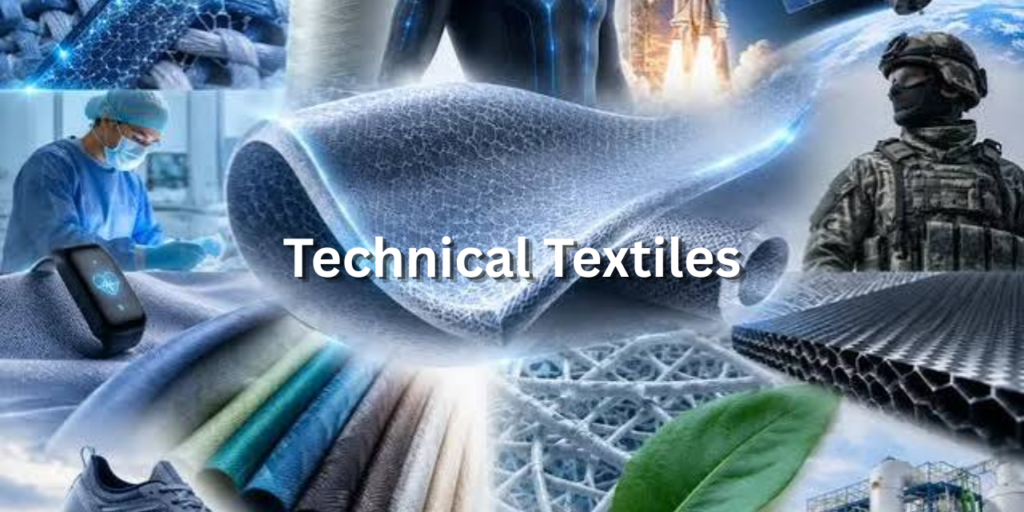
The approved projects reflect the growing diversification of India’s technical textile sector, covering areas such as smart textiles, medical textiles, sustainable materials, defence applications, automotive textiles, healthcare wearables, composites, sports textiles, and space technologies.
Several projects are focused on breakthrough innovations, including nanofibre-infused fabrics capable of generating energy, self-sanitising medical apparel, spider silk-based sustainable fibres, intelligent healthcare wearables, algae-coated textile alternatives to synthetic materials, and advanced biomaterial-based medical textiles.
The initiative also highlights the increasing emphasis on sustainability within the textile sector. Multiple projects focus on textile waste recycling, hemp-based fibres, zero solid discharge technologies, biodegradable hygiene products, and eco-friendly functional textiles, supporting India’s broader environmental goals.
To ensure transparency and effective implementation, the Ministry has established an Evaluation and Monitoring Committee (EMC) to assess the technical and financial viability of proposals submitted under the scheme. Based on the evaluation process, recommendations are forwarded to the Empowered Programme Committee (EPC) for approval.
In addition, a dedicated Review and Monitoring Committee has been constituted to track the progress of approved start-ups, monitor project implementation, recommend the release of subsequent grant instalments, and oversee project outcomes.
The Ministry has also intensified its efforts to promote the scheme through workshops, seminars, public events, and nationwide outreach programmes, encouraging greater collaboration between academia, research institutions, start-ups, and industry stakeholders.
Industry collaboration remains one of the key pillars of the GREAT scheme. The Ministry believes that stronger partnerships between start-ups and established manufacturers will accelerate prototype development, field testing, market adoption, and large-scale commercialization.
As India continues to expand its footprint in the global technical textiles market, the GREAT scheme is expected to play a crucial role in promoting indigenous technologies, strengthening domestic manufacturing capabilities, generating employment, and positioning the country as a global innovation hub for advanced textile solutions.