

Apurba Das
Department of Textile and Fibre Engineering,
IIT Delhi
Abstract
Technical textiles have become essential engineering materials in the automotive industry due to their ability to provide lightweight, durable, and multifunctional solutions. Among the various technical textile sectors, Mobiltech represents the largest market segment, driven by increasing demands for vehicle safety, passenger comfort, fuel efficiency, and sustainability. This review presents a comprehensive overview of the applications of technical textiles in automobiles, including passenger compartments, trunk systems, engine compartments, exhaust systems, tyre reinforcements, and composite body structures. The roles of textile materials in safety systems, thermal and acoustic insulation, filtration, structural reinforcement, and weight reduction are discussed. Particular attention is given to commonly used fibres such as polyester, polyamide, polypropylene, aramid, and ceramic fibres, along with woven, knitted, tricot, and nonwoven structures. Recent developments in lightweight composites, advanced insulation materials, sustainable textile solutions, and emerging automotive technologies are also highlighted, demonstrating the growing significance of technical textiles in future mobility systems.
- Introduction
Textile research and development has progressively evolved from conventional applications towards the design of materials with advanced functional characteristics. The concept of using textiles for functional and engineering purposes began to emerge during the late nineteenth and early twentieth centuries. Industrialisation created a demand for materials capable of performing specific mechanical, thermal, and protective functions beyond traditional decorative or clothing applications. Textile products started to find applications in conveyor belts, filtration fabrics, tarpaulins, ropes, and military equipment, laying the foundation for what would later become known as technical textiles. The development of synthetic fibres like nylon, polyester, acrylic, and polypropylene in the 20th century pushed the transformation of functional materials and technical textiles towards its peak by achieving functionalities and performance beyond the limits of natural fibres. Today, technical textiles represent one of the fastest-growing sectors of the global textile industry. Among the recognised sectors of technical textiles, including Agrotech, Buildtech, Clothtech, Geotech, Hometech, Indutech, Medtech, Oekotech, Packtech, Protech, Sporttech, and Mobiltech, the Mobiltech segment constitutes a major area of both industrial production and research interest.
Technical textiles used in automobiles or the transport sector is called mobiltech. Textile materials now play a critical role in modern transportation systems and are indispensable to vehicle design and manufacturing. Across a wide range of mobility platforms, including motorcycles, passenger cars, commercial vehicles, railway coaches, and aircraft, engineered fibrous structures contribute significantly to performance, safety, and passenger comfort. While their presence is most apparent in interior applications such as seat coverings and cabin linings, as customers are attracted towards aesthetically pleasing interiors, comfort, and fuel economy, the functional importance of mobiltech extends far beyond these visible components. High-performance yarns and fabrics serve as reinforcement materials in tyre cords, drive belts, seat-belt webbing, high-pressure hoses, and airbag systems, where mechanical reliability is essential. In addition, woven, knitted, and nonwoven textile structures are increasingly employed in lightweight composite reinforcements, filtration media for air and fluids, and acoustic and thermal insulation components. These materials help reduce vibration transmission, control noise levels, and improve the overall efficiency and comfort of transportation systems.
The scope of this review covers a broad range of fibrous materials, structures, and technologies used in automotive applications. An in-depth discussion has been done on their application in automotive interiors, occupant safety devices, tyre and composite reinforcement, filtration media, and thermal-acoustic insulation assemblies. It also covers recent developments in sustainable materials, composites, recyclability, smart textile utilization, etc.
- Technical Textiles Growth in the Automotive Sector
Automobile is now one of the largest consumers of technical textiles because of the increased demand for safer, lighter, stronger, more comfortable, and environmentally friendly vehicles. The rapid growth of electrical vehicle have also increased the demand for lightweight materials and enhanced insulation, where technical textiles play a crucial role. Technical textiles weighing around 25 to 30 kilograms are used in a single car. Improvement in urban lifestyle has also resulted in rapid growth of interest in personal vehicles among people, which has resulted in an increased market for the mobiltech segment. The global technical textile market was valued at 230.9 billion dollars in 2025 and is expected to grow to 447.5 billion dollars by 2036 with a compound annual growth rate (CAGR) of 6.2% [1]. Mobiltech acquires 25% of all application segments of technical textiles. A detailed pie chart has been shown in Figure 1. The mobiltech market in India was valued at 2.32 billion dollars in the financial year 2025, which is forecasted it to grow to 4.57 billion dollars by financial year 2033 with a compound annual growth rate of 8.84% [2]. The fuel crisis has also increased the demand for electric vehicles. These vehicles require excellent power efficiency with the lowest structural weight possible. Thus, the metal frames and structure are being replaced by fibre reinforced composites, which are lighter in weight and surpass the strength of metals.
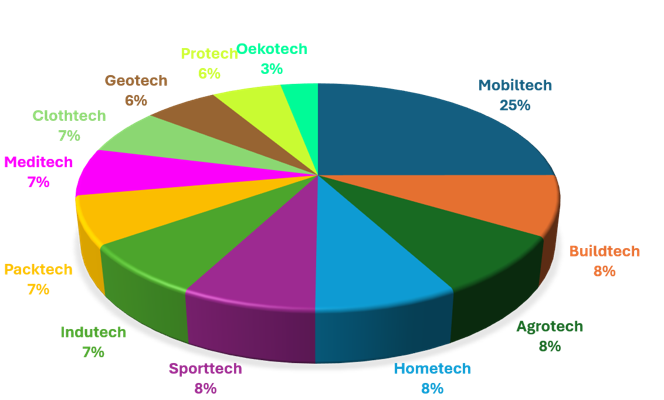
Figure 1. Global technical textile market share – segment-wise [1].
- Mobiltech Types and Applications
Technical textiles are used extensively in the automotive sector to perform reinforcement, protection, comfort enhancement, filtration, thermal and acoustic environment management, etc. The vast availability of options, along with the design flexibility, makes it an indispensable component of an automobile structure. Out of all mobiltech components in an automobile, approximately 30 to 35% is covered by carpets, 15 to 20% by upholstery fabrics, 12 to 15% by pre-assembled interior components, 10 to 15% by tyre cords, 5 to 10% by safety belts, 2 to 5% by airbags, and 5 to 10% by other components.
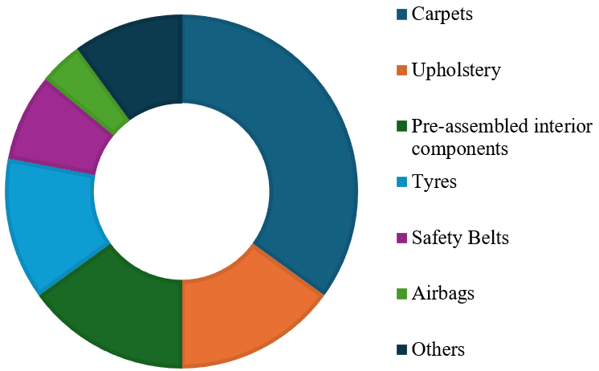
Figure 2. Proportion of the textiles covered by various components in an automobile
3.1 Interior Components
Visible Components
A major portion of the technical textiles is used in automotive interiors, which also happens to be the most noticeable place for a user. The common interior applications include seat covers, headliners, carpet, floor mats, door trims, and dashboard coverings. These are mostly made from woven, knitted, or nonwoven materials. The performance requirements include aesthetic appeal, durability and resistance to abrasion, dimensional stability, flame retardancy, and ergonomics for textile-based seat cushioning. Polyester, Nylon-6, Nylon-66, and Polypropylene fibres are dominant for almost all interior applications except where high insulation is required. Woven and knitted fabrics are mainly utilised in automotive seat covers and door trims, whereas nonwovens are used widely in flooring, headliners, and interior insulation. As reported earlier, the weight of the floor carpet is about one-fifth of the total weight of the fibrous materials used in automotive interiors [3]. The carpet not only fulfils the aesthetic covering purpose but also determines the acoustics and thermal management of the passenger compartment. The headliner, on the other hand, is a multilayered assembly consisting of a decorative front layer and multiple insulation layers, including PU foams, nonwovens, and fibreglass [4]. With the increased sustainability trend, the use of natural fibres and natural fibre-based composites is gaining demand in the headliner assemblies [5,6]. Traditionally, headliners consisted of knitted or woven fabrics backed by cardboard-type materials, which were replaced by nonwovens in modern vehicles.
Door trims are usually made of two to three layers. The base layer or structure includes a needle-punched nonwoven with a certain proportion of polypropylene (PP) compressed and moulded in the required shape. This layer is laminated with either a decorative front layer made of tricot or woven fabrics or a dual-layered panel consisting of a decorative layer backed by PU foam. Nowadays, fibrous composite door trims have also gained researchers’ attention. The conventional practice of glass fibre used with PP is being replaced by other natural fibres like basalt fibres and plant-based fibres with enhanced properties and environmental and passenger compatibility [7–10]. Seat covers include mainly a decorative functional layer of polyester fibre-based tricot or woven structure pasted upon a foam and/or nonwoven padding to improve protection and comfort. This layer requires abrasion resistance, soft feel, shape retention, thermal management and breathability for enhanced comfort of the passengers [11,12]. Another layer under this visible part is the foam pads and trim covers. This layer decides the ergonomic comfort and cushioning provided by the seat [13]. Among all interior visible components, the colour, texture, and overall appearance play a major role in the valuation of the vehicle. However, seatbelts are least affected by the aesthetic requirements, as it is mainly a woven belt (2/2 twill or any other stronger weave) fabric made of high tensile nylon or polyester filament yarn (500 to 3000 dtex). Seatbelts are made to hold the passenger towards the seat in the occurrence of any accident or collision. The most important characteristic of the seat belts is their energy absorption. It shows approximately 25% to 30% extensibility and can withstand a load of 1500 kg. Another important mobiltech application is sun blinds that block the sunlight from entering the passenger compartment to keep the passenger comfortable. Most sunblinds are three-layered materials consisting of polypropylene mesh, a coarse woven reinforcement scrim, and an aesthetic form usually made of artificial leather.

Figure 3. Technical textile applications in the passenger compartment of a car
Concealed Components
Within the passenger compartment of a car, there are other materials too that are not visible to the passengers’ eyes while sitting, but play a crucial role in maintaining the safety and comfort of the passengers. Two of the most important hidden technical textiles applications are the airbag and the filtration system. An airbag is an elastic bag cushion that inflates and deflates quickly in the event of a car accident. From this system, it is aimed to prevent any serious injury to the passenger in an accident. Most airbags for front passengers are placed behind the steering when front or dashboard white other airbags are mounted on the sides, roof, seats, or doors based on the manufacturer’s preference or design suitability. Most airbags are made of silicon-coated Nylon-6 or Nylon-66 yarns (315-840 denier). The opening of an airbag faster than the blink of an eye is due to the quick ignition of Sodium azide, which generates nitrogen that fills up the airbag immediately after a crash is detected by the sensors in the car. The whole process requires good tear strength and thermal stability in the material.
Another major concealed component is the filtration system. Filters are usually made of polypropylene nonwoven fabrics. The primary function of the filtration system is to filter out the contaminations from incoming air (in the passenger compartment), fuel and oil (in the engine), and water (in the coolant). The filters usually have two layers, namely the pre-filter layer and the micro-fibrous layer.
3.2 Trunk Components
The trunk compartment is the second area, consisting of the most visible technical textiles after the passenger compartment. The trunk compartment consists of two components, namely trunk liners and trunk floor. Trunk liners are mostly bi-layered nonwovens having a nonwoven felt and a dense padding layer made of shoddy or other recycled fibres moulded in required shapes. The trunk floor requires to carry heavy loads and hence, is made stronger compared to the liner material. The common practice for trunk floor manufacturing is to use wood composites and bi-layered or twin-wall materials such as the nonwovens made of plant-based and ceramic fibres blended with PP or their composites [3]. As reported earlier, car companies like General Motors, Honda, Ford, etc., use natural fibre-based composites for their trunk floor and liners [14,15].

Figure 4. Technical Textile applications in the automotive trunk
3.3 Engine Compartment
The engine compartment of a vehicle demands higher functional performance than the interior or trunk because of its harsh environment. The heat and noise generated by the engine body need to be attenuated to make the automobile function well, as well as to keep the passenger comfortable. The material must also sustain at high temperatures, vibration, and oil and dust deposition. The major application area in the engine compartment is the engine hood liner and engine side-dash insulation. Nonwovens are primarily used for insulation in the engine compartment [16,17]. Fibre glass has been the choice of fibre for such high-performance insulation [18]. However, modern engineering has shifted towards exploring synthetic fibres such as fire-retardant polyester, polypropylene, and polyamide or recycled and sustainable high-performance fibres for these applications [19]. Such synthetic fibres are usually covered with reflective foil to protect it from radiative heat. However, when the application is very close to the engine, ceramic and high-temperature fibres such as glass fibre, aramid, basalt fibres, and other silica fibres are the only option. The insulation material is used to protect temperature-sensitive components such as wires, fuel lines, electronic modules, and polymeric components. The porous fibrous material is also used to reduce engine noise and vibration-induced noise to keep the passenger compartment quiet and comfortable [20,21]. Another important function is to prevent the flame transmission to the passenger compartment in case of the occurrence of any abnormal thermal hazard.
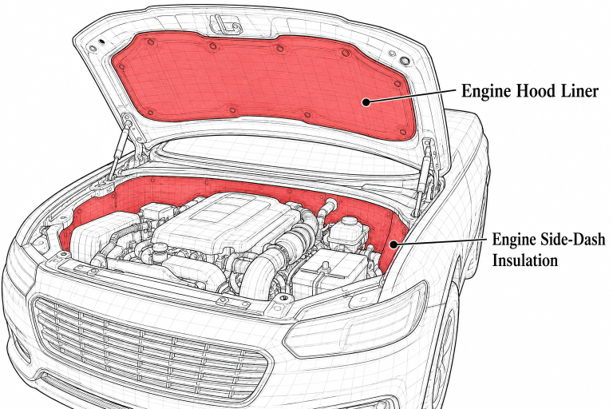
Figure 5. Technical textile applications in the engine compartment.
Electrical vehicles (EV) are gaining high attention from the market as the fuel price is increasing. Unlike conventional vehicles, EVs are powered by chargeable batteries. Thus, the battery separator also becomes an application area of mobiltech. Battery separators are filters separating the cathode from the anode and prevent any short circuit. Conventionally, glass fibre was used, which is being replaced by polyester in modern vehicles.
3.4 Exhaust Line
The exhaust line in an automobile is where the environment is even harsher than that of the engine compartment. The hot exhaust gases released from combustion are transferred directly to the exhaust line. These gases need to be converted to the least poisonous form before being released into the environment. The noise produced from the combustion combines with the airborne noise and gets amplified. Thus, the noise also needs to be muffled or reduced to prevent any noise pollution. Hence, an exhaust line consists of several parts, including a catalytic converter, a transport channel, and a muffler or silencer [22]. Technical textiles are used in all three mentioned places.
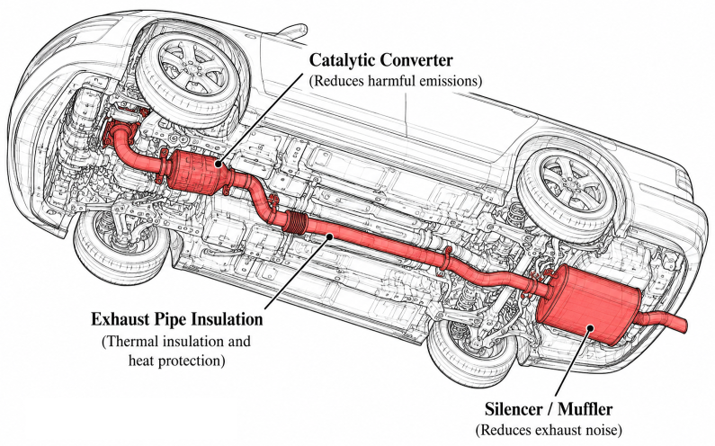
Figure 6. Technical Textile applications in the automotive exhaust line
The primary function of a catalytic converter is to oxidise harmful gases like carbon monoxide into comparatively less harmful gases using a ceramic honeycomb monolithic structure [23]. However, it is crucial for the ceramic honeycomb catalytic core to be protected from vibrations and to regulate heat. Hence, a ceramic nonwoven/mat is wrapped around the core and then mounted inside the stainless steel shell [24]. Silencer, on the other hand, is a cavity-based system that muffles the sound using the combined action of resonance and passive sound absorption. The structure contains two concentric pipes where the inner pipe contains holes, and the cavity in between these two is filled with the fibrous material. This type of silencer is called an absorptive-type silencer [25]. Due to high temperature conditions of the silencers, ceramic fibres are preferred in silencer applications. There is extensive research done on how these ceramic fibrous structures attenuate the noise [26].
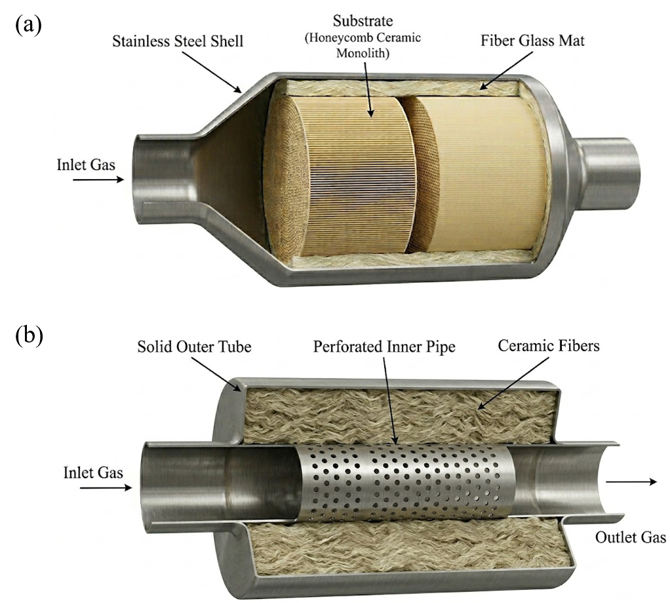
Figure 7. Technical textile applications in a catalytic converter (a) and a silencer (b).
3.5 Automotive Structure and Reinforcement
The most popular and conventional fibrous reinforcement in the automotive setting is the tyre cord. Tyre cord is usually a woven fabric/mesh made of plied nylon 6 or nylon 66 continuous filament high tenacity yarns. The primary function of the tyre cord is to strengthen the tyre against the pressure imparted automobile’s load, air, and the road. Conventionally, metallic wire mesh was used in tyre cord, which was then replaced by polyester and rayon fabrics, which were further replaced by nylon fabrics. The basic requirement of the fabric is to have good strength, fatigue resistance, impact resistance, and high adhesion with the tyre polymer. The structure of the cord drives the mechanical characteristics of the tyre. Another reinforcement application is in the composite body of the modern vehicle. It has not been popular conventionally, but the arrival of electrical vehicle has increased the demand for composite automobile bodies. The reinforcement is done with high-performance fibres such as glass, basalt, carbon fibre, aramid, etc., for high-strength body development. This results in a lighter and stronger body compared to the metallic body used conventionally.
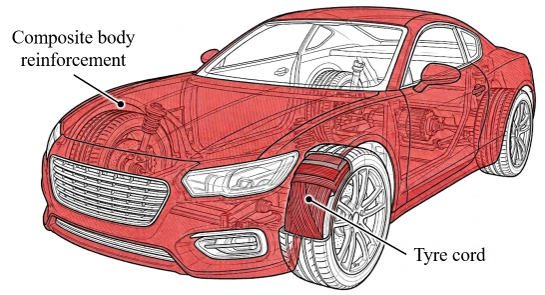
Figure 8. Technical textile applications in reinforcement
3.6 Other Applications
Other than the necessary materials used in both commercial and household vehicles, some commercial and heavy-goods vehicles also use tarpaulins. Tarpaulins are PVC-coated nylon or polyester fabrics made of high-strength yarns used as an exterior shield of the goods. Hence, it must have cold-cracking resistance, flame resistance, good coating adhesion, waterproofing, UV resistance, and high mechanical endurance. In addition to that, it must be dimensionally stable against a wide range of temperatures, humidity, and pollutants. Another application is the flexible intermediate bulk containers used to transport granular materials such as powders, cement, sand, etc. These are usually made of woven polypropylene flat (tape) yarns coated with silicon.
- Conclusion
The automobile sector has been growing rapidly, and the utilization of various fibrous materials in the automobile sector is also growing. Out of all segments of technical textiles, mobiltech occupies the biggest market and is showing consistent growth. The interior compartment or passenger compartment utilizes the most weight used in an automobile. It includes headliners, door trims, seat covers, seat belts, floor mats, carpet, dashboard covers, and two hidden components, including airbags and an air filtration system. All the components are crucial to maintain a comfortable environment inside the passenger compartment as well as to ensure the safety of the passengers. The trunk of the automobile contains wall liners and floor covers to maintain temperature and cushioning to the luggage. The engine room also consists of engine hood liners, side-dash insulation, and pipe insulation sleeves to maintain the thermal and acoustic environment of the engine compartment and separate the passenger compartment from its harsh environment. The exhaust system also utilizes mobiltech inside the catalytic converter and silencers to reduce the noise emitted by the engine and pipeline. Another invisible or hidden textile substrates are the reinforcement in composite bodies and tyres as tyre cord to enhance their mechanical properties and reduce weight. Majorly used materials include nylon-6, nylon-66, polyester, polypropylene, and polyurethane-based nonwovens, wovens, and tricot materials. Some portions also use ceramic and aramid fibres for higher strength and thermal endurance. The elevated research in this field is bringing more advancements in technology and new areas for business investments.
- References
[1] Nikhil Kaitwade. Technical Textiles Market : Global Industry Analysis 2016 – 2025 and Opportunity Assessment 2026 – 2036. Future Market Insights; 2026.
[2] Markets & Data. India Mobiltech Textile Market Assessment, Opportunities and Forecast, FY2019-FY2033F. n.d.
[3] Nick A, Duval A. Twinwall sommold innovative mechanical and acoustical felt material. Proceedings of Techtextil Symposium North America: Focusing on Innovation, 2005.
[4] Chen JY. Nonwoven textiles in automotive interiors. Applications of Nonwovens in Technical Textiles, Elsevier; 2010, p. 184–201. https://doi.org/10.1533/9781845699741.2.184.
[5] Yazıcı M, Uysal N, Donga H. Optimization of Composite Materials for Enhanced Acoustic Performance in Headliners 2024. https://doi.org/10.5281/ZENODO.11068857.
[6] Chen Y, Sun L, Chiparus O, Negulescu I, Yachmenev V, Warnock M. Kenaf/Ramie Composite for Automotive Headliner. J Polym Environ 2005;13:107–14. https://doi.org/10.1007/s10924-005-2942-z.
[7] Yao Y, Wang S, Xu L, Jiang H, Gu Y, Li G, et al. Experimental and simulation study on stiffness of basalt fiber-reinforced plastic door interior trimming panel. ArchivCivMechEng 2022;23:53. https://doi.org/10.1007/s43452-022-00590-7.
[8] Swayam R, Sahoo SP, Nayak M, Sahoo A, Khuntia T. Design and Analysis of Coir Fibre Reinforced Polypropylene Based Internal Car Door Panel. In: Tripathy S, Samantaray S, Ramkumar J, Mahapatra SS, editors. Recent Advances in Mechanical Engineering, Singapore: Springer Nature Singapore; 2023, p. 197–208. https://doi.org/10.1007/978-981-19-9493-7_20.
[9] Du Y, Yan N, Kortschot MT. A simplified fabrication process for biofiber-reinforced polymer composites for automotive interior trim applications. J Mater Sci 2014;49:2630–9. https://doi.org/10.1007/s10853-013-7965-6.
[10] Shah K, Apte S, Navsariwala P, Kumar S, Komar S, Ghodageri S, et al. Retained Newness of Commercial Vehicle Interiors, Pune, India: 2024, p. 2024-26–0188. https://doi.org/10.4271/2024-26-0188.
[11] Akgün M, Kamaci HA. Effect of Fabric Structural Parameters on Various Comfort Properties of Automobile Seat Cover Fabrics. European Mechanical Science 2021;5:105–8. https://doi.org/10.26701/ems.797054.
[12] Technical University of Liberec, Faculty of Textile Engineering, Department of Clothing Technology, 461 17 Liberec 1, Studentska 1402/2, Czech Republic, Havelka A, Glombikova V, Technical University of Liberec, Faculty of Textile Engineering, Department of Clothing Technology, 461 17 Liberec 1, Studentska 1402/2, Czech Republic, Komarkova P, Technical University of Liberec, Faculty of Textile Engineering, Department of Clothing Technology, 461 17 Liberec 1, Studentska 1402/2, Czech Republic, et al. The Study of Fabric Performance for Car Seats. TEK 2017;60:235–42. https://doi.org/10.14502/Tekstilec2017.60.235-242.
[13] Kurtycz E, English S, Godoy J, Bladon J, Hogg A, Larre A. Innovative Polyurethane Seat Trim Cover Solution. API Polyurethanes Expo 2001, CRC Press; 2020, p. 133–42.
[14] Sanjay MR, Siengchin S. Lightweight Natural Fiber Composites. J Appl Agricultural Sci Technol 2019;3:178. https://doi.org/10.32530/jaast.v3i2.108.
[15] Sreenivas HT, Krishnamurthy N, Arpitha GR. A comprehensive review on light weight kenaf fiber for automobiles. International Journal of Lightweight Materials and Manufacture 2020;3:328–37. https://doi.org/10.1016/j.ijlmm.2020.05.003.
[16] Chen JY. Nonwoven textiles in automotive interiors. Applications of Nonwovens in Technical Textiles, Elsevier; 2010, p. 184–201. https://doi.org/10.1533/9781845699741.2.184.
[17] Ahmet S. METHOD FOR PRODUCING A NONWOVEN FABRIC USED AS AN ENGINE HOOD INSULATOR MATERIAL. US-20260022503-A1, n.d.
[18] Teal JE, Zhang Z-H. Thermal Analysis of Textile Structures in Automotive Applications, Detroit, Michigan, United States: 2007, p. 2007-01–0547. https://doi.org/10.4271/2007-01-0547.
[19] Dobrotă D, Sava G-A, Bărbușiu A-M, Dobrescu GT. Sustainable Polymer Composites for Thermal Insulation in Automotive Applications: A Systematic Literature Review. Polymers 2025;17:2200. https://doi.org/10.3390/polym17162200.
[20] Shao G, Billy T, Hughes T. Sound Absorption Performance of Membrane Covered Insulators, Grand Traverse, Michigan, United States: 2001, p. 2001-01–1455. https://doi.org/10.4271/2001-01-1455.
[21] Block TT. Using Polyester Fibers for Improving Acoustics and Saving Weight in Automotive Applications, Grand Traverse, Michigan, United States: 2001, p. 2001-01–1457. https://doi.org/10.4271/2001-01-1457.
[22] Kelly OE, Abdulsamad G, others. Engineering material selection for automotive exhaust systems using CES software. International Journal of Engineering Technologies IJET 2017;3:50–60.
[23] Kritsanaviparkporn E, Baena-Moreno FM, Reina TR. Catalytic Converters for Vehicle Exhaust: Fundamental Aspects and Technology Overview for Newcomers to the Field. Chemistry 2021;3:630–46. https://doi.org/10.3390/chemistry3020044.
[24] Fernandes S, Martins SC, Olson J, Peters B. The Role of New Catalytic Converter Mounting Materials in Providing Durability and Efficiency, Sao Paulo, Brazil: 2002, p. 2002-01–3447. https://doi.org/10.4271/2002-01-3447.
[25] Deery D, Flanagan L, O’Brien G, Rice HJ, Kennedy J. Efficient Modelling of Acoustic Metamaterials for the Performance Enhancement of an Automotive Silencer. Acoustics 2022;4:329–44. https://doi.org/10.3390/acoustics4020020.
[26] Rao SVS, Das A, Kumar B, Kumar N. Modelling and experimental investigation of multilayered nonwoven-microperforated foil hybrid panels for advanced sound attenuation. Applied Acoustics 2026;243:111158. https://doi.org/10.1016/j.apacoust.2025.111158.