
The Rise of Flexible Automation in Modern Manufacturing
Industrial automation is entering a new era where flexibility, speed, and intelligence are becoming essential for manufacturers worldwide. Traditional production systems built around fixed machinery are no longer sufficient for industries that require rapid customization, higher efficiency, and scalable operations. This shift is accelerating demand in the Articulated Robot Market, as companies increasingly adopt robotic systems capable of handling complex industrial tasks with precision and adaptability.
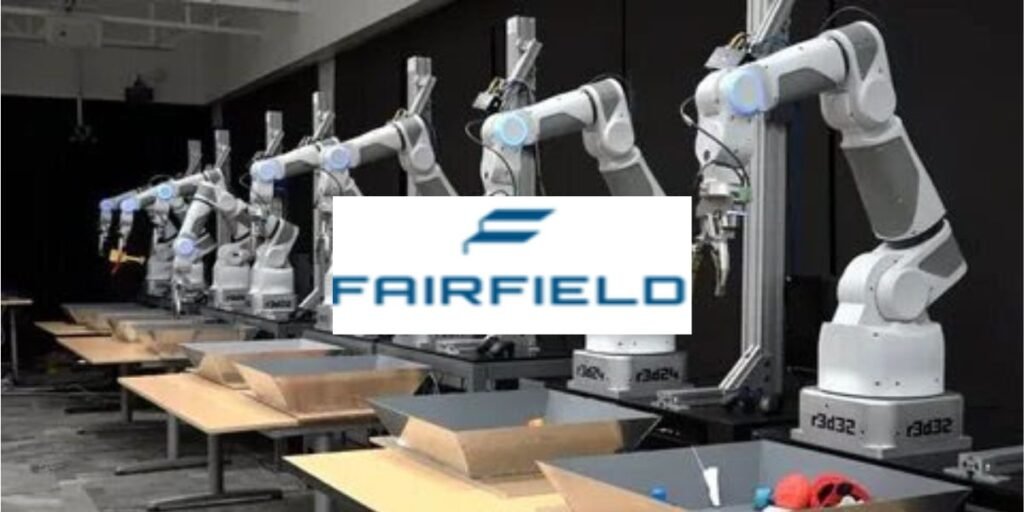
Articulated robots, designed with multiple rotary joints that mimic the movement of a human arm, are becoming central to smart manufacturing environments. These robots can perform welding, assembly, painting, packaging, material handling, machine tending, and quality inspection with exceptional accuracy. Their versatility is helping industries modernize production lines while reducing dependency on repetitive manual labor.
Smart Manufacturing Driving Robot Adoption
The transition toward smart factories is one of the biggest factors fueling growth in the Articulated Robot Market. Modern manufacturing facilities rely on connected systems, automation software, sensors, artificial intelligence, and Industrial Internet of Things (IIoT) platforms to improve operational efficiency. Articulated robots integrate seamlessly into these environments, allowing manufacturers to automate processes while collecting real-time production data.
Unlike traditional automation equipment, articulated robots can be reprogrammed quickly to handle different tasks. A robot used for assembly can later be adapted for packaging or inspection depending on production requirements. This flexibility enables manufacturers to respond faster to changing customer demands while reducing downtime and improving productivity.
As industries continue shifting toward customized production and smaller manufacturing batches, robotic systems capable of flexible deployment are becoming increasingly valuable.
Improving Productivity Through Precision and Speed
One of the strongest advantages of articulated robots is their ability to deliver consistent speed and precision across repetitive production tasks. In industries such as automotive manufacturing, even minor production errors can result in costly defects and delays. Robotic automation minimizes these risks by maintaining highly repeatable movements over thousands of production cycles.
In welding operations, articulated robots ensure uniform weld quality while reducing material waste. In electronics manufacturing, they handle delicate components with precise movements that lower the risk of damage. Packaging facilities also benefit from robotic systems that can pick, sort, palletize, and move products far faster than manual labor while maintaining consistency.
The productivity gains extend beyond faster operations. Manufacturers also benefit from fewer defects, lower rework costs, reduced downtime, and better process control. These improvements are making articulated robots a long-term investment for companies seeking leaner and more efficient operations.
Addressing Labor Shortages and Workplace Safety
Manufacturing industries worldwide are facing labor shortages, rising wages, and increasing difficulty in retaining workers for repetitive or physically demanding tasks. Articulated robots are helping companies overcome these challenges by taking over dangerous, repetitive, and labor-intensive operations.
Robots are increasingly being deployed in hazardous environments involving extreme heat, toxic chemicals, heavy lifting, or high-speed machinery. In painting and coating applications, for example, robots reduce worker exposure to harmful substances. In material handling operations, they help minimize strain-related injuries caused by repetitive lifting.
Rather than replacing human workers entirely, robotic automation is changing workforce roles. Employees are now being trained to supervise robotic systems, analyze production data, and manage automated workflows. This shift is supporting safer workplaces while improving operational efficiency.
Enhancing Quality Control and Product Consistency
Product quality has become a major competitive factor in global manufacturing. Customers expect defect-free products, faster delivery, and reliable performance. Articulated robots support these expectations by performing tasks with highly controlled and repeatable movements.
When integrated with machine vision systems and advanced sensors, robots can inspect products, detect defects, verify assembly accuracy, and identify missing components during production. This automated quality control helps manufacturers identify issues earlier, reducing waste and improving final product consistency.
Industries such as automotive, electronics, and medical devices particularly benefit from robotic precision because product failures in these sectors can lead to serious safety or regulatory consequences.
Industry 4.0 and Connected Robotics
The Articulated Robot Market is closely linked to the growth of Industry 4.0 and connected manufacturing systems. Modern robotic systems are no longer isolated machines operating independently. They are now connected to enterprise software, cloud platforms, factory networks, and predictive analytics systems.
This connectivity allows manufacturers to monitor robotic performance in real time, predict maintenance needs, and optimize production schedules. Predictive maintenance is especially valuable because it helps companies identify wear and performance issues before equipment failure occurs, reducing unexpected downtime and extending machine lifespan.
Advancements in robot programming software are also making automation easier to implement. Simulation tools and offline programming platforms allow manufacturers to test robotic operations virtually before deployment, reducing setup time and increasing efficiency.
Expanding Applications Across Industries
Although automotive manufacturing remains one of the largest users of articulated robots, adoption is rapidly expanding across multiple industries. Electronics manufacturers use robotic systems for assembly, testing, and component handling. Food and beverage companies deploy them for packaging and palletizing operations. Pharmaceutical manufacturers rely on articulated robots for sterile handling and laboratory automation.
Warehousing and logistics operations are also increasingly adopting robotic arms for sorting, picking, and loading applications. This broadening application base is helping articulated robots become a mainstream automation solution rather than a niche industrial technology.
Small and medium-sized manufacturers are also entering the market as robotic systems become more affordable and easier to program. Compact robotic designs and flexible financing models are reducing barriers to automation adoption.
The Future of the Articulated Robot Market
The future of industrial automation will be heavily influenced by smarter robotic systems powered by artificial intelligence, advanced sensors, and collaborative technologies. Future articulated robots will become easier to program, more autonomous, and more capable of working safely alongside human workers.
As manufacturers continue facing rising competition, labor shortages, supply chain disruptions, and increasing quality expectations, articulated robots are expected to play an even larger role in modern production environments.
The Articulated Robot Market will remain a key driver of industrial transformation by enabling factories to become more flexible, efficient, and data-driven. In the years ahead, automation will focus not only on replacing manual tasks but also on creating intelligent manufacturing ecosystems where humans, robots, and digital technologies work together seamlessly.