
Dr. Priya Jaswal Assistant Professor, Textile Engineering, Jawaharlal Nehru Government Engineering College, Sundernagar | Er. Urvashi Malhotra Assistant Professor, Textile Engineering, Jawaharlal Nehru Government Engineering College, Sundernagar | Er. Preeti Gautam Assistant Professor, Textile Engineering, Jawaharlal Nehru Government Engineering College, Sundernagar |
1. Introduction
The pace at which the automotive industry is progressing in shifting towards intelligent and connected vehicles is very high. Modern cars are equipped with different types of sensors and other interactive devices for better security and passenger comfort. It has become necessary to use lightweight and multi-functional materials for incorporating electronics inside the car.
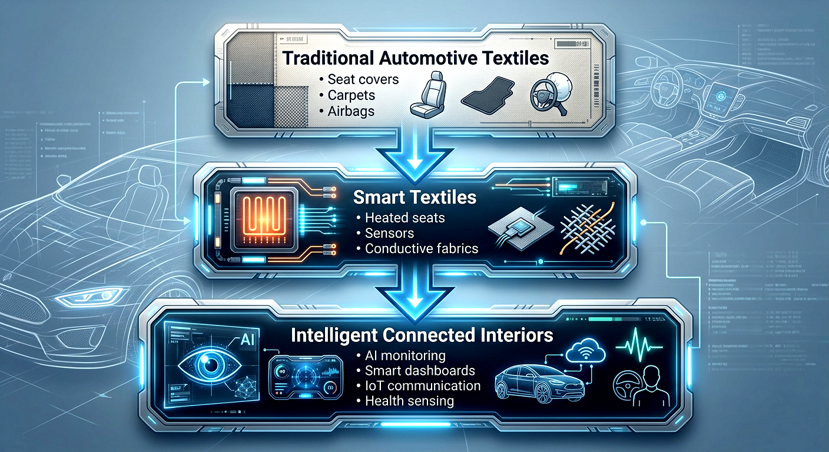
FIGURE 1: Evolution of Automotive Textiles
Today, technical textiles have become a vital part of automotive design and manufacture and are extensively employed for upholstery fabrics, airbag fabric, carpeting, headliners, insulation material, and interior panels. In recent years, typical decorative textiles have developed into intelligent textiles that can perform tasks related to sensing, heating, monitoring, lighting, and communicating information. In addition to improving the passenger experience, these advanced textiles help provide safety, communication links, and energy efficiency.
Conductive fibers and conductive yarns are high-tech textiles that can transmit electricity or respond to stimuli like pressure, heat, and motion. Examples of the uses of such textile materials include heated seats, touch-sensitive panels, occupancy sensing, driver fatigue monitoring, wireless phone charging surface, EMI shield, etc. The integration of electronics into the comfort and flexibility of traditional textiles is facilitating the development of smart textiles. Figure 1 shows how car fabrics have evolved from basic materials to advanced, smart textiles that now include sensors and tech for comfort.
2. Smart Fibres and Conductive Yarns
Smart automotive textiles are mostly fabricated by means of conductive fibers and yarns that can incorporate electrical function into textiles. Such textiles are able to sense, heat up, transmit signals, and shield from EMF while preserving their flexibility and comfort. Various parts of this technology, where they’re used, and what they do, are detailed in Table 1.
TABLE 1. Major Smart Textile Applications in Automobiles
| Smart Textile Component | Technical Data | Function | Automotive Application |
| Conductive seat fabric | Surface temperature: 35–45°C; Resistance: 5–20 Ω | Heat generation | Heated seats |
| Pressure-sensitive textile | Pressure sensing range: 0–100 kPa | Occupancy detection | Passenger monitoring |
| EMI shielding fabric | Shielding effectiveness: 30–60 dB | Electromagnetic protection | Dashboard electronics |
| Touch-sensitive textile | Response time: <100 ms | Interactive control | Smart dashboard |
Types of Conductive Materials
- Metal-Covered Yarns: Yarn made of polyester or nylon, covered by metals like silver, copper, and nickel, has good conductivity properties along with flexibility and low weight.
- Carbon-Based Fibers: Carbon fibers and carbon nanotubes-coated yarns have high electrical conductivity and high thermal stability and high strength.
- Steel Fiber Yarns: The use of steel fibers with common yarn fibers increases their toughness and effectiveness against electromagnetic interference (EMI).
- Conductive Polymer Fibers: Polymers like PEDOT and polyaniline are conductive with high flexibility, softness, and no susceptibility to corrosion.
3. Applications in Modern Vehicles
3.1 Smart Seats
Pressure-sensitive textiles are used in the construction of smart seats to detect occupancy and changes in posture. While pressure-sensitive textiles can monitor the movement and posture of passengers, conductive heating yarns can be used to ensure constant heating of the seat surface.
3.2 Smart Interiors
Textiles with touch sensors and smart dashboard panels have become more common in place of standard switches and buttons. Conductive textiles incorporated in the dashboard contribute to interactivity, flexibility of display, and illuminated surfaces. Various conductive materials in automotive textiles have different electrical and mechanical properties, making them suitable for certain uses. A comparison of different materials is tabulated in Table 2.
TABLE 2. Conductive Materials Used in Automotive Textiles
| Material | Technical Data | Key Property | Automotive Use |
| Silver-coated yarn | Electrical conductivity: ~10⁵ S/m | High conductivity | Heated seats |
| Carbon fibre | Tensile strength: 3–7 GPa; Density: 1.7–1.9 g/cm³ | Lightweight & strong | Flexible sensors |
| Stainless steel yarn | EMI shielding effectiveness: 40–70 dB | EMI shielding | Electronic protection |
| Conductive polymers | Surface resistance: 10²–10⁶ Ω/sq | Flexible & soft | Smart interiors |
3. Applications in Modern Vehicles
3.1 Smart Seats
Pressure-sensitive textiles are used in the construction of smart seats to detect occupancy and changes in posture. While pressure-sensitive textiles can monitor the movement and posture of passengers, conductive heating yarns can be used to ensure constant heating of the seat surface.
3.2 Smart Interiors
Textiles with touch sensors and smart dashboard panels have become more common in place of standard switches and buttons. Conductive textiles incorporated in the dashboard contribute to interactivity, flexibility of display, and illuminated surfaces.
3.3 Driver and Passenger Health and Safety Monitoring
There is an increasing number of applications for smart textiles in monitoring driver fatigue and seat belt wearing, as well as health monitoring systems. The seat itself can monitor parameters such as heart rate, respiration rate, and driver attention levels.
3.4 Signal Transmission and EMI Shielding
Finally, smart textiles can be utilized to ensure effective signal transmission and electromagnetic interference shielding in smart cars. Figure 2 gives a schematic overview of how these smart textiles fit into different car parts, like seats and communication systems.
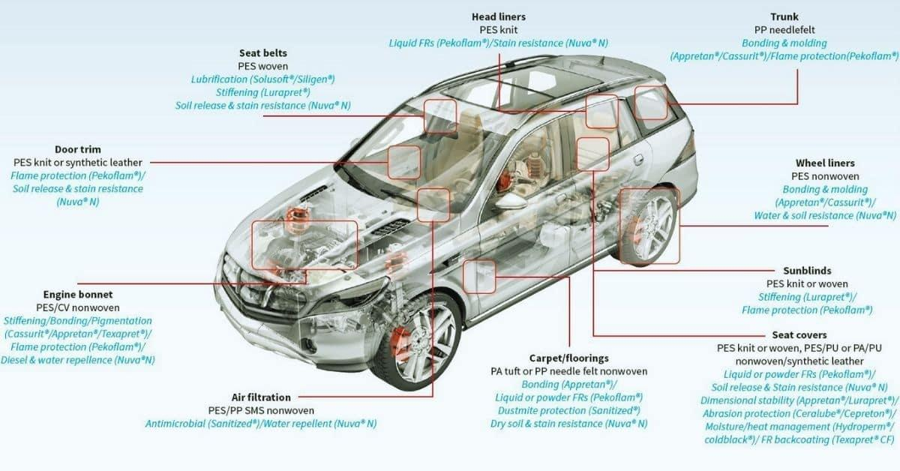
FIGURE 2: Smart Textile Integration in Vehicle Interiors
TABLE 3. Challenges in Smart Automotive Textiles
| Challenge | Technical Issue | Impact on Automotive Application |
| Mechanical stress | Repeated bending, stretching, and abrasion damage conductive pathways | Loss of conductivity and reduced sensor performance |
| High material cost | Expensive conductive materials such as silver, graphene, and carbon nanotubes | Increased production cost and limited large-scale commercialization |
| Washability issues | Exposure to moisture, detergents, and temperature fluctuations affects conductive coatings | Reduced durability and shorter service life |
| Recycling difficulty | Complex combination of textile, metallic, and electronic components | Environmental concerns and difficult material recovery |
| Long-term electrical instability | Conductivity changes under humidity, heat, and vibration | Reduced reliability of smart systems |
| Manufacturing complexity | Integration of sensors and electronics requires precision fabrication | Higher processing time and production challenges |
| Power management | Continuous sensor operation requires stable energy supply | Increased energy consumption in vehicles |
| Comfort vs conductivity balance | Excess conductive materials may reduce softness and flexibility | Passenger discomfort and reduced fabric aesthetics |
4. Advantages of Intelligent Textiles in the Automotive Industry
The following are some of the advantages linked with the utilization of intelligent automotive textiles. Among these are their lightness, cabling simplification, improved comfort levels, as well as aesthetics. Conductive textiles that are lightweight and flexible allow for metal wires’ substitution.
Warm seats and pressure-sensitive adaptability also enhance thermal comfort. Concerning comfort issues, conductive fabrics that are flexible will not obstruct the complex nature of car interior design. In addition, intelligent textiles promote incorporating the IoT technologies and artificial intelligence by monitoring the conditions in which cars and their occupants find themselves. However, big challenges block widespread use. Major issues are listed in Table 3, holding back this great tech from becoming common in cars.
5. Problems and Challenges
While rapid advances in the field have been achieved so far, there are still many challenges in terms of wear-resistance, washability issues, manufacturing complexity, and expensive pricing. Strain on mechanical stress leads to degradation of conductivity. High cost is another challenge because conductive fabric consists of costly components such as silver yarns and nano-carbon particles. Also, recycling of intelligent textiles is hard since they comprise both textiles and electronic parts.
6. Future trends: Toward the Fully Connected Interior of the Future Car
Automotive textiles of the future will be made using AI-integrated textile technology that will offer sensing, communications, and interactive functionalities. The use of smart textiles embedded with sensors, along with AI algorithms, will enable monitoring of passenger postures, fatigue levels, and environmental factors to generate customized driving experiences.
Self-healing conductive fabrics, which restore conductivity even if damaged, are also under development. Future cars will employ energy-harvesting textiles as well as flexible textile batteries to power their low-power electronics.
Moreover, 5G technology is going to make possible more efficient communication among passengers, vehicles, and infrastructures. Furthermore, bio-based conductive fibres are being developed to provide sustainable automotive applications.
7. Conclusion
As seen from above, intelligent fibres and yarns have the potential to change ordinary automotive textiles into advanced systems with sensing, communication, comfort, and energy capabilities. Applications such as heated seats, smart dashboards, driver monitoring, and wireless communication have already changed the way we look at vehicle interiors.
Constant innovations in flexible electronics, AI technology, and sustainable conductive materials indicate that vehicle textiles can evolve even further into intelligent systems.
The future of vehicle interior will not only include textiles; it will actually think and feel through them.