
In the modern automotive industry, the definition of vehicle quality has shifted from mere aesthetics and engine performance to the sophistication of safety ecosystems. Within the ‘Mobiltech’ (Automotive Textiles) and safety components sector, the seat belt pretensioner stands as a silent savior. It is the critical mechanism that eliminates slack in the webbing during a collision, ensuring the occupant is firmly positioned to receive the maximum benefit from the airbag deployment.
As global road safety mandates become more stringent, the demand for advanced pretensioner systems is witnessing an unprecedented surge, reshaping the supply chain for automotive safety textiles and hardware.
Market Dynamics: A Multi-Billion Dollar Trajectory The global focus on reducing traffic fatalities has turned safety features from premium add-ons into mandatory requirements. According to the latest industry data, the Automotive Seat Belt Pretensioner Market was valued at US$ 13.91 Billion in 2021.
With an increasing production of vehicles equipped with high-end safety specs and the expansion of the luxury car segment, the market is projected to grow at a CAGR of 6.78%, reaching an estimated US$ 23.51 Billion by 2029. This growth highlights a significant opportunity for manufacturers involved in seat belt retractors, buckles, and specialized technical webbing.
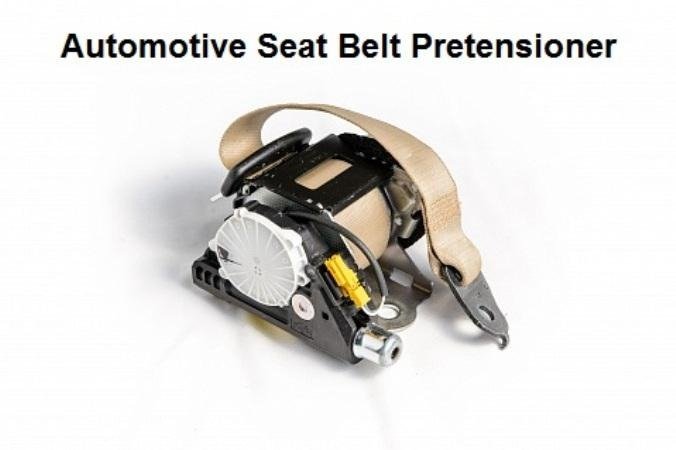
Technological Segments: Beyond the Basic Retractor The evolution of pretensioner technology is divided into three primary segments:
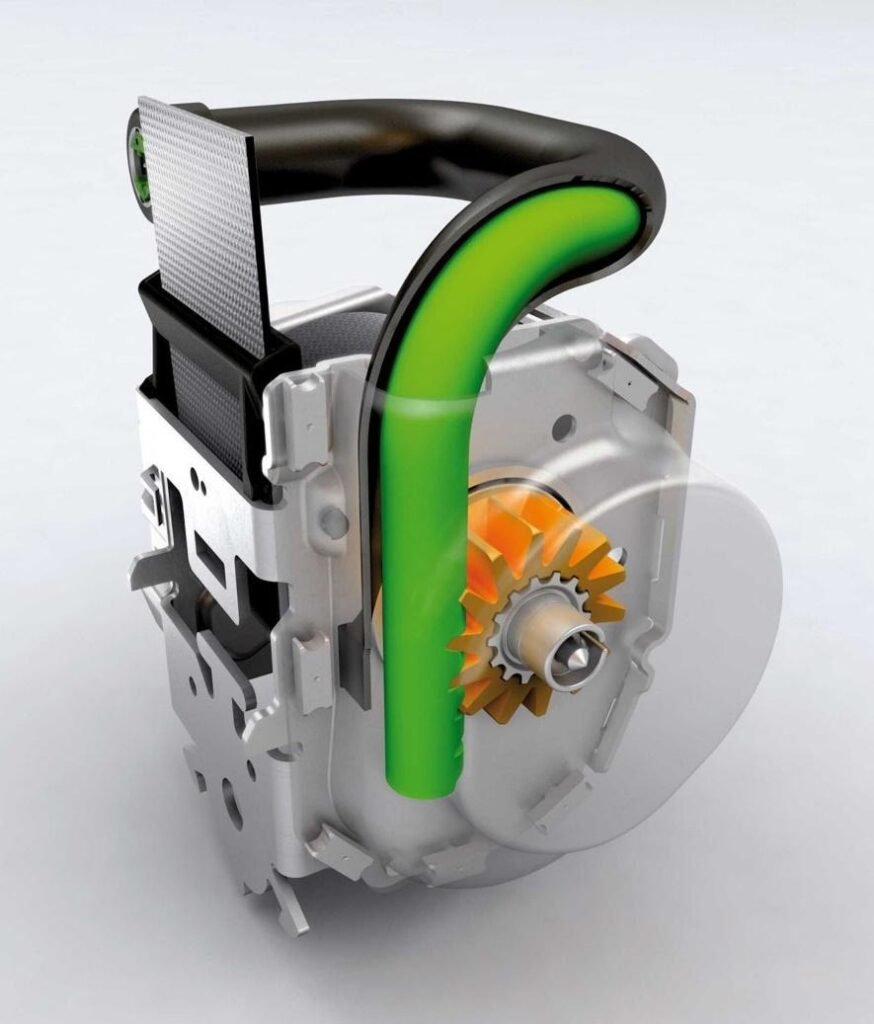
- Retractors: This is the dominant segment in the market. Manufacturers prefer integrating the pretensioner within the retractor as it provides a higher retraction force, ensuring the occupant is gripped firmly against the seat during sudden deceleration.
- Buckles: Buckle pretensioners are a preferred secondary safety measure, often used in combination with retractors to provide a comprehensive dual-safety lock.
- Anchors: While less common than retractors, anchor-based pretensioners are gaining traction in specialized vehicle designs.
A significant trend in the industry is the shift from purely mechanical systems to electronically controlled pretensioners. These ‘smart’ systems interact with the vehicle’s Pre-Collision Systems (PCS), tightening the belt even before the actual impact occurs, thereby minimizing the ‘jerk’ and potential internal injuries.
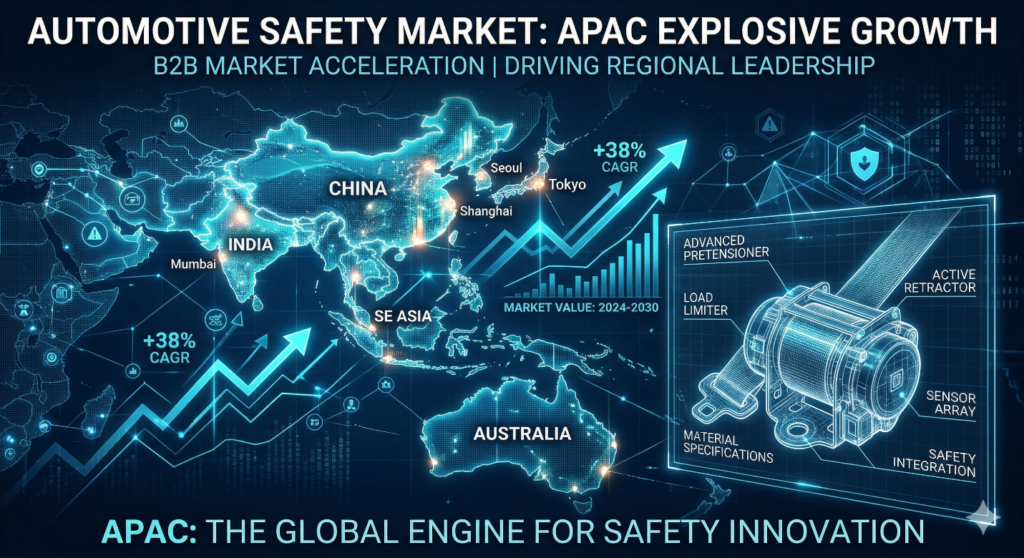
Regional Powerhouse: The Dominance of Asia-Pacific From a manufacturing and consumption perspective, the Asia-Pacific region continues to hold the largest market share. The massive production capabilities of China, India, Japan, and South Korea, coupled with the rising demand for premium vehicles in these emerging economies, make APAC the global hub for seat belt safety systems.
In countries like India, the government’s push for higher safety ratings (Global NCAP) and the mandate for six airbags and advanced seat belt reminders in passenger vehicles are acting as powerful catalysts for market expansion.
Future Outlook: Mobiltech and Safety Integration The future of the seat belt pretensioner market is intrinsically linked to the broader evolution of Mobiltech. We are seeing a move toward higher-tenacity polyester yarns for seat belt webbing that can withstand the intense, sudden forces exerted by modern high-speed pretensioners.
Furthermore, as autonomous driving technology matures, safety systems will become more integrated, with seat belts becoming part of a ‘connected safety web’ that communicates with sensors across the vehicle.
Conclusion For stakeholders in the automotive textile and safety components industry, the growth of the seat belt pretensioner market represents a clear call for innovation. By focusing on competitive pricing, technological integration, and adhering to evolving global safety legislations, manufacturers can secure their position in a market that is fundamentally dedicated to saving lives.